Market commentary based on developments as of 16 June 2026.
Why Did The Middle East Conflict Affect UK Energy Prices?
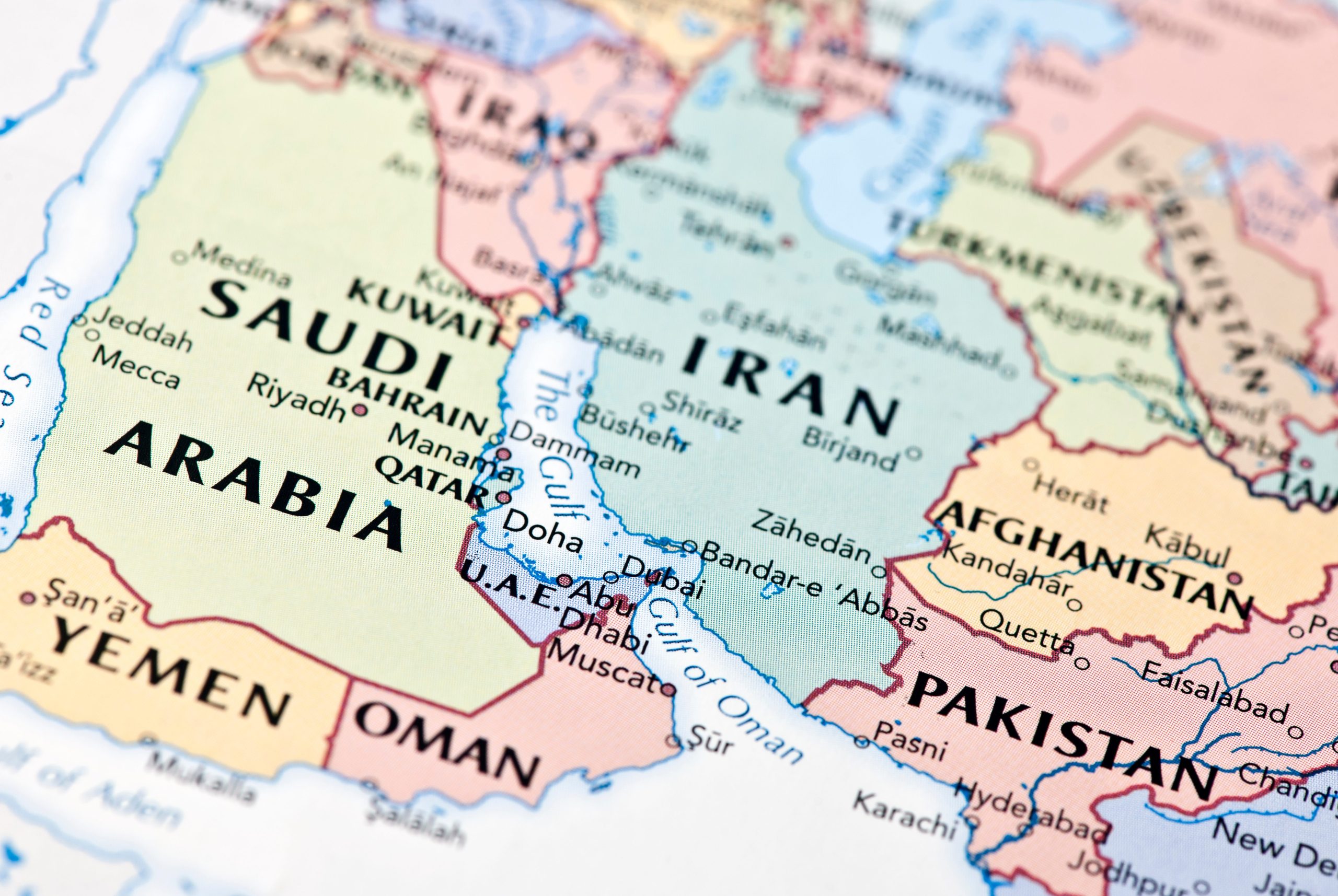
The biggest concern for energy markets was the potential disruption to the Strait of Hormuz, one of the world’s most important energy shipping routes.
Around 20% of the world’s oil supply passes through the Strait of Hormuz, alongside significant volumes of liquefied natural gas (LNG). Any threat to shipping through the region immediately raises concerns about supply shortages, causing traders to increase prices to reflect the additional risk.
As tensions escalated between Iran, Israel and the United States, energy traders began pricing in the possibility of prolonged disruption.
The Impact On Oil Markets
Brent crude oil rose sharply during the conflict as fears grew over restrictions to energy flows through the Strait of Hormuz.
Oil prices are a key indicator for wider energy markets because they influence inflation expectations, transport costs and overall commodity pricing. The rapid increase in crude prices added significant uncertainty to wholesale energy markets across Europe and the UK.
Although oil prices later eased as ceasefire discussions emerged, the volatility demonstrated how sensitive global energy markets remain to geopolitical events.
The Impact On UK Gas And Electricity Markets
The UK electricity market is heavily influenced by natural gas generation, meaning wholesale power prices often move in line with gas prices.
During the conflict:
- European gas markets experienced significant volatility.
- LNG supplies from the Gulf region came under threat.
- Traders factored in the possibility of prolonged shipping disruption.
- UK wholesale power prices increased as gas costs rose.
For businesses approaching contract renewal, this resulted in increased forward energy prices and greater uncertainty when fixing contracts.
Many suppliers also widened risk premiums, making it more difficult for businesses to secure competitive long-term pricing.
Why Energy Markets React So Quickly
Energy markets are forward-looking.
Prices are not based solely on current supply and demand but on what traders believe could happen in the future.
Even though physical supplies to the UK were not immediately interrupted, the possibility of disruptions to global oil and LNG flows was enough to trigger substantial price movements.
This is particularly important for the UK because much of our gas is priced against international markets. If global LNG becomes more expensive, UK wholesale gas prices generally rise too.
Ceasefire Talks Bring Market Relief
Recent ceasefire announcements and progress towards reopening the Strait of Hormuz have been welcomed by energy markets.
The reaction from wholesale markets was swift, with oil and gas prices falling as concerns over prolonged disruption eased. Energy traders have begun removing some of the geopolitical risk premium that had built up during the conflict.
However, uncertainty remains. Markets will continue monitoring developments closely, and further volatility remains possible until energy flows through the region have fully normalised and confidence returns to global supply chains.
The speed of the market response highlights just how much geopolitical risk had been priced into wholesale energy costs during the height of the conflict.
What Does This Mean For UK Businesses?
The easing of tensions is positive news for energy buyers, but caution remains necessary.
While wholesale markets have reacted positively, prices remain sensitive to geopolitical developments and broader supply concerns. Businesses approaching contract renewal should continue monitoring market movements closely, as global events remain one of the biggest drivers of wholesale energy costs.
For many organisations, periods of market volatility create both risk and opportunity. Significant movements in wholesale markets can present favourable purchasing windows, but timing and market intelligence become increasingly important when geopolitical events are driving prices.
Businesses that actively monitor market conditions are often better positioned to identify opportunities and make informed purchasing decisions.
How Flame Energy Can Help
Wholesale energy markets can change rapidly when global events impact supply chains and energy infrastructure.
At Flame Energy, we help businesses understand market movements, assess purchasing opportunities and secure competitive energy contracts that reflect current market conditions.
Whether your contract is approaching renewal or you would like an independent review of your current energy procurement strategy, our team can provide expert guidance tailored to your business requirements.
Contact Flame Energy today to discuss your energy procurement options and the latest market outlook.