Installing solar panels is a straightforward, low-disruption process when managed correctly. At Flame Energy, we deliver fully managed commercial solar PV installations, ensuring your system is designed, installed, and commissioned to the highest standards. From initial survey through to energisation, we handle every stage, so you can start generating renewable energy with confidence.
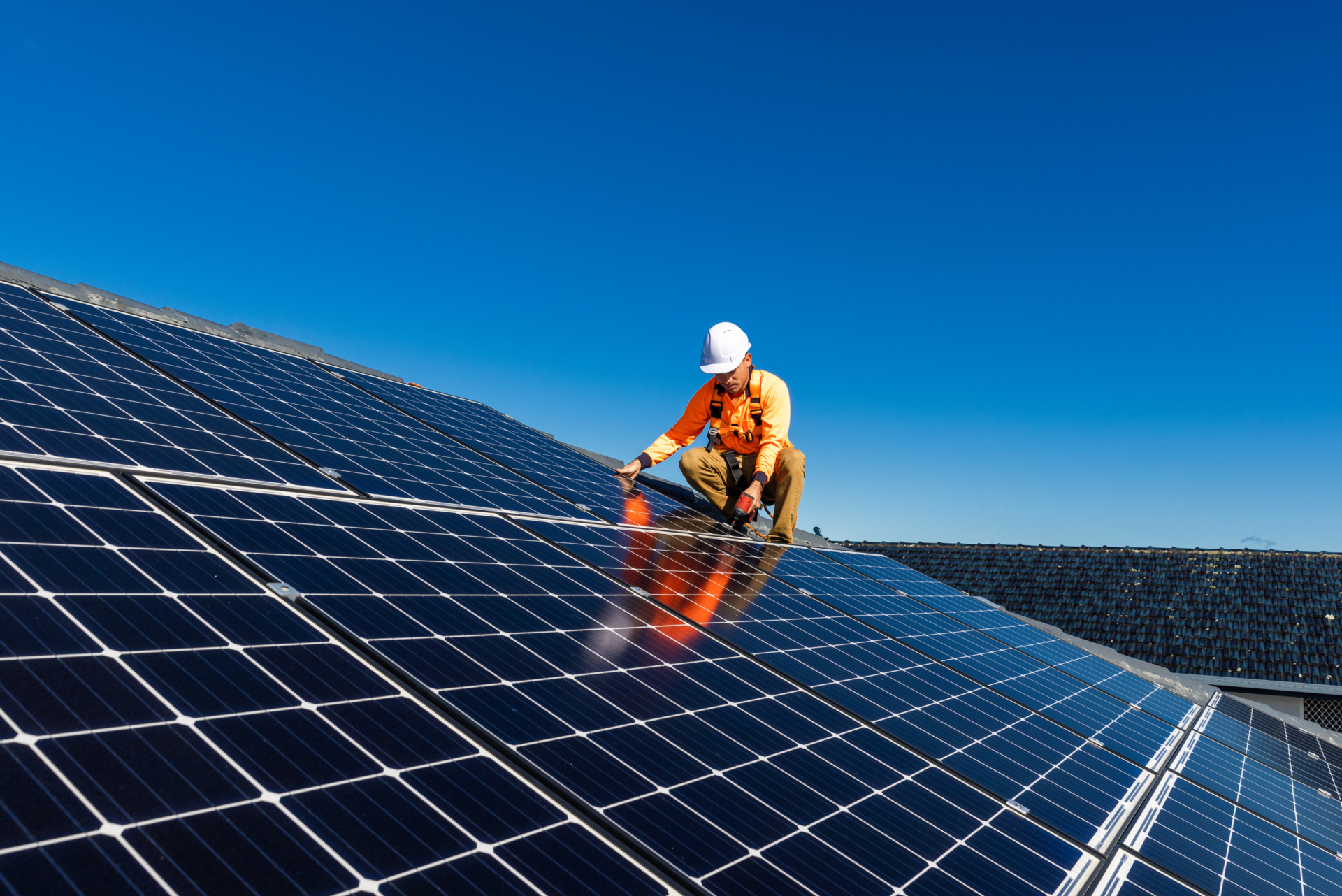
A commercial solar panel installation involves several key stages, each carefully planned to ensure safety, performance, and minimal disruption to your operations.
1. Site Survey and Feasibility Assessment
We begin with a detailed assessment of your site, including:
This allows us to design a system tailored to your building and business needs.
2. System Design and Engineering
Our team develops a bespoke solar PV design, including:
We also handle grid applications and ensure compliance with all UK regulations and standards.
3. Installation and Mounting
Once approved, installation begins. This typically includes:
All work is carried out by accredited installers, with strict health and safety procedures in place.
4. Testing and Commissioning
After installation, the system is fully tested to ensure optimal performance.
This includes:
Once complete, your system will begin generating clean electricity immediately.
Installation timelines vary depending on system size, site complexity, and grid requirements—but most commercial projects follow a clear timeframe.
Typical Timeframes:
Overall Project Timeline:
Most commercial solar installations are completed within 6–12 weeks from initial assessment to full operation.
Larger or more complex projects (such as ground-mounted systems or sites requiring major grid upgrades) may take longer.
In most cases, disruption is minimal.
We plan installations around your operations to ensure:
For many rooftop systems, work is completed with little to no impact on day-to-day operations.
Safety and compliance are central to every installation.
We ensure:
Your system will be installed to perform reliably for decades.
During installation, many businesses choose to include battery storage.
This can be installed alongside your solar PV system to:
Installing batteries at the same time as solar panels is typically the most cost-effective approach.
Our service doesn’t end at installation.
We provide:
We focus on delivering systems that perform—both financially and environmentally.
Ready to install solar panels for your business?
Speak to our team today to arrange a site assessment and discover how quickly you could be generating your own renewable energy.
Whether you’re approaching contract renewal, looking to reduce costs or planning your sustainability strategy, our specialists are here to help you find the right solution for your business.
Find clear answers to some of the most common questions we’re asked about our services and how we support your business.
Commercial solar installation typically involves assessing a site’s energy usage, designing a suitable solar system, installing panels and equipment, connecting the system to the building and completing testing and commissioning. Once installed, businesses can use the generated solar energy to reduce reliance on the grid and lower energy costs.
A solar site survey assesses whether a business property is suitable for solar installation. It typically reviews roof condition, available space, energy usage, shading, electrical infrastructure and system requirements to help design an effective solar solution.
The time needed to install business solar panels depends on the size and complexity of the project. Smaller commercial systems can often be installed within a few days, while larger installations may take several weeks due to design, approvals and grid connection requirements.
The roof space needed for solar panels depends on the building’s energy usage, available roof area, panel efficiency and system size required. A solar assessment can determine how many panels can be installed and the potential energy savings for the business.
The amount of electricity commercial solar can generate depends on the system size, roof space, location, panel efficiency and energy usage. Larger installations on warehouses, factories and commercial buildings can generate significant amounts of electricity, helping businesses reduce reliance on the grid and lower energy costs.