The UK Government has approved gas production at the Jackdaw field in the North Sea, marking a significant development for Britain’s domestic energy industry.
Announced on 21 October 2026, the decision allows the previously licensed gas field to move towards production following years of regulatory and legal challenges.
According to the UK Government’s official announcement, the project is expected to increase UK domestic gas production by approximately 6% at peak output, with supplies potentially reaching British homes and businesses before the end of October.
At a time when energy security remains a major concern, the approval raises important questions about the UK’s reliance on imported gas, the future of North Sea production and the potential impact on business energy costs.
But while additional domestic gas production could strengthen the UK’s energy supply, does this mean businesses can expect lower energy bills?
In this article, we explore the Jackdaw gas field approval, its implications for UK energy security and what businesses should consider when planning their longer-term energy strategies.
In this article, we’ll cover:
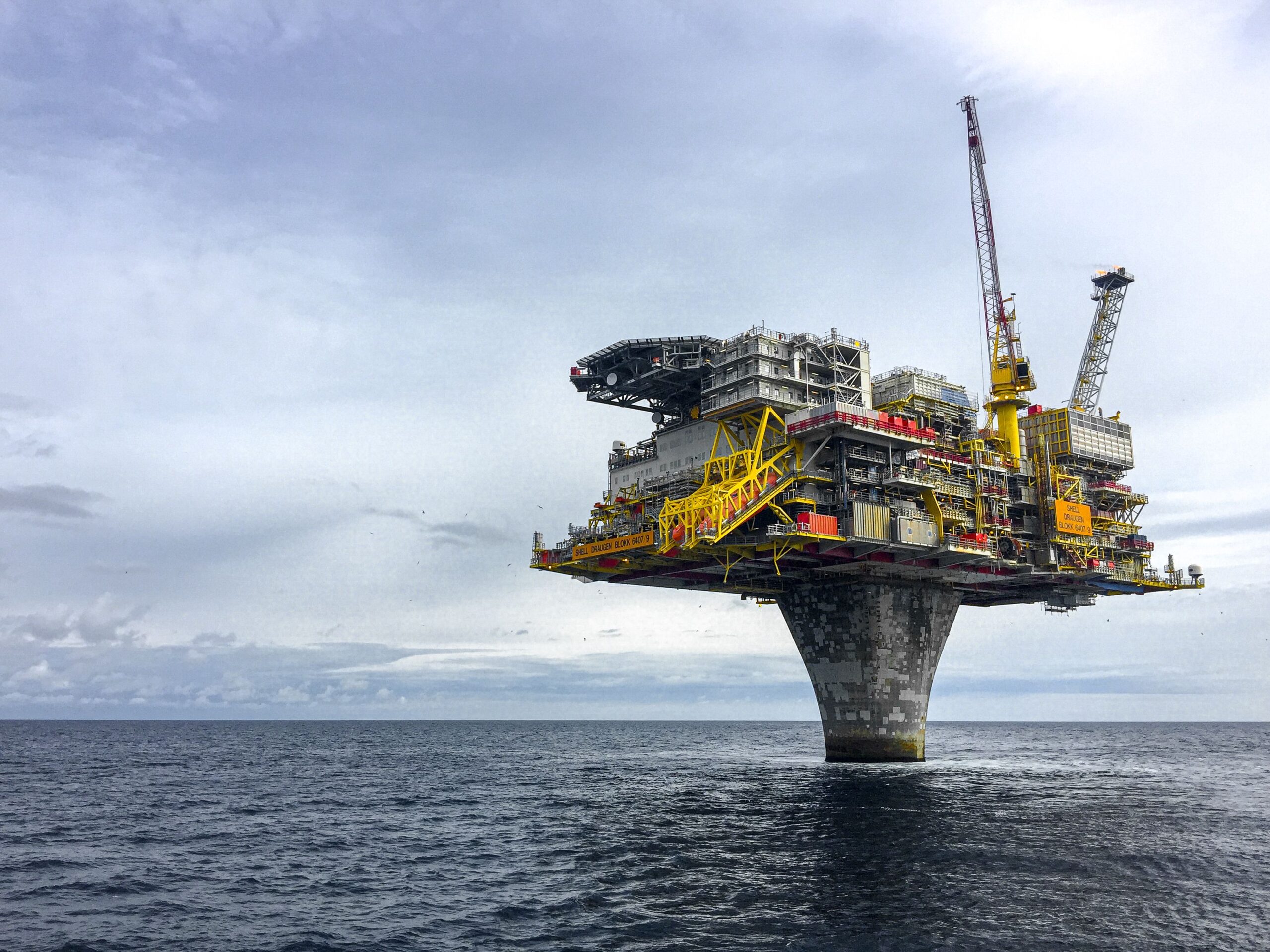
The Jackdaw gas field is a natural gas development located approximately 250 kilometres east of Aberdeen in the central North Sea.
The project is operated by Adura, a joint venture combining Shell and Equinor’s UK offshore oil and gas operations.
Jackdaw is designed to extract natural gas from beneath the seabed and transport it through existing North Sea infrastructure, connecting to the Shearwater production facilities.
The development represents an addition to the UK’s remaining offshore gas resources, particularly as production from several established North Sea fields continues to decline.
Unlike a completely new exploration project, Jackdaw had already received development approval in 2022 before subsequent legal challenges affected its progress.
The October 2026 decision therefore represents renewed permission to proceed with development and production rather than authorisation to explore an entirely new gas field.
Jackdaw originally received development approval in 2022. However, the project subsequently faced legal challenges relating to its environmental assessment.
In January 2025, Scotland’s Court of Session ruled that the previous approval was unlawful because the environmental assessment had not adequately considered emissions generated when the extracted gas would eventually be burned.
The ruling followed a significant UK Supreme Court decision in 2024, which established that environmental assessments for fossil fuel extraction projects must consider emissions associated with the eventual use of extracted fuels.
Following further environmental submissions and regulatory consideration, the North Sea Transition Authority granted development and production consent on 21 October 2026.
The Government has positioned the approval as part of its approach to maintaining domestic energy supplies while continuing the transition towards renewable and low-carbon energy.
The decision also reflects the continuing role of natural gas in supporting the UK’s energy system, particularly during periods when renewable electricity generation cannot meet demand alone.
According to Government and developer estimates, Jackdaw could make a meaningful contribution to domestic gas production over the coming decade.
The project is expected to:
The Government indicated that gas could begin reaching the UK market as early as the end of October 2026, although the actual start of production depends on operational readiness and the completion of remaining development work.
Importantly, the estimated 6% increase refers to UK domestic gas production, not the country’s total gas consumption.
While this represents a substantial contribution from an individual development, the UK will continue to require both domestic production and imported supplies to meet its energy needs.
Energy security refers to a country’s ability to maintain reliable and sufficient energy supplies while managing potential disruptions.
For the UK, this has become increasingly important as international conflicts, supply interruptions and changing global demand have highlighted the risks associated with dependence on imported fuels.
Although the UK continues to produce natural gas from the North Sea, it also relies on supplies from Norway, liquefied natural gas (LNG) imports and international interconnectors.
Additional domestic production could reduce the amount of gas the UK needs to source from overseas.
This may offer several benefits, including greater supply diversity, reduced exposure to some international transportation disruptions and increased resilience during periods of global uncertainty.
However, producing more gas domestically does not make the UK independent of international energy markets.
The country will still rely on imported gas, particularly as existing North Sea fields mature and overall domestic production declines.
Jackdaw will also make use of existing North Sea infrastructure.
Utilising established production and transportation facilities can help extend the operational value of offshore energy assets and support the specialist workforce involved in maintaining them.
The project is also expected to generate economic activity through employment, supply chain contracts and tax revenues.
For businesses, these developments contribute to the wider picture of UK energy security, although their direct impact on individual energy costs is less straightforward.
One of the most important questions for UK businesses is whether increased domestic gas production could lead to lower energy prices.
The answer is that additional UK gas production does not automatically mean cheaper business energy.
Although Jackdaw could strengthen domestic supply, UK wholesale gas prices remain closely connected to European and international energy markets.
Natural gas is traded as a commodity, meaning prices are influenced by wider supply and demand rather than simply where the gas is extracted.
Even gas produced within UK waters is generally priced in relation to prevailing market conditions.
Several factors influence the prices businesses ultimately pay for gas and electricity.
These include international gas availability, seasonal consumption, supplier purchasing strategies, network charges and the structure of individual energy contracts.
Additional production from Jackdaw may reduce some reliance on imports, but it is unlikely to fundamentally change how UK wholesale gas prices are determined.
Commercial energy bills also include costs beyond the wholesale commodity itself, meaning changes in domestic production do not necessarily translate into equivalent reductions in contract prices.
For businesses reviewing their energy arrangements, understanding how wholesale market conditions influence business energy procurement can help support more informed purchasing decisions.
The outlook for UK wholesale gas prices remains uncertain.
Geopolitical developments, LNG availability, European storage levels and winter weather are likely to remain important influences throughout the coming months.
Prices could ease if supply conditions improve or demand is lower than expected. Further disruption or prolonged cold weather could create additional upward pressure.
For businesses, the priority should not be attempting to predict every market movement.
Instead, understanding contract exposure, monitoring market developments and planning procurement decisions in advance can help organisations respond more effectively to uncertainty.
Natural gas also plays an important role in UK electricity generation.
Gas-fired power stations provide flexible generation, particularly when renewable output is lower or electricity demand increases.
Because gas-fired generation can influence wholesale electricity prices, developments affecting gas supply may also have implications for the wider electricity market.
However, any effect from Jackdaw will depend on broader market conditions, including international gas prices, electricity demand and the UK’s changing generation mix.
For businesses, the key distinction is between improving the security of energy supply and reducing the price of energy. These are connected objectives, but they do not always produce the same outcome.
The approval comes as the UK continues working towards its legally binding target of achieving net-zero greenhouse gas emissions by 2050.
Natural gas remains part of the country’s energy mix, but the longer-term direction is towards greater reliance on renewable generation, nuclear energy and other low-carbon technologies.
The Government argues that maintaining production from existing North Sea resources can support energy security during this transition.
However, environmental organisations have raised concerns about the emissions associated with extracting and burning additional fossil fuels.
The debate highlights the challenge of balancing short-term energy requirements with longer-term decarbonisation objectives.
For businesses, the wider energy transition may gradually change how electricity is generated and how energy is purchased.
Nevertheless, natural gas is expected to remain relevant to many commercial and industrial operations for the foreseeable future.
Although Jackdaw represents an important development for UK energy production, businesses should avoid assuming that increased domestic supply will immediately improve their energy contract prices.
Instead, organisations should consider how developments in the wider energy market could influence their future procurement decisions.
Understanding current contract arrangements is an important starting point.
Businesses should be aware of their contract expiry dates, agreed rates and any provisions that could affect future charges.
This provides a clearer understanding of when they may become exposed to changing market conditions.
Although Jackdaw represents an important development for UK energy production, businesses should avoid assuming that increased domestic supply will immediately improve their energy contract prices.
Instead, organisations should consider how developments in the wider energy market could influence their future procurement decisions.
Consider Long-Term Energy Requirements
Energy procurement should also reflect wider operational and sustainability objectives.
For some organisations, this may involve improving energy efficiency, reviewing consumption patterns or exploring opportunities to reduce dependence on purchased energy.
Taking a longer-term approach to business energy management can help organisations manage costs while preparing for changes in the UK’s energy landscape.
The Jackdaw approval demonstrates that domestic natural gas production continues to have a role in the UK’s energy strategy.
However, the longer-term outlook remains shaped by declining production from established fields, changing energy demand and the transition towards lower-carbon technologies.
New developments may help offset some reductions in existing production, but they are unlikely to reverse the broader long-term decline of the North Sea’s mature resources.
For businesses, the most important consideration is that UK energy prices will continue to be influenced by a combination of domestic developments and international market conditions.
Greater energy security may improve supply resilience, but effective energy procurement will remain essential for managing commercial energy costs.
Although Jackdaw represents an important development for UK energy production, businesses should avoid assuming that increased domestic supply will immediately improve their energy contract prices.
Instead, organisations should consider how developments in the wider energy market could influence their future procurement decisions.
At Flame Energy, we understand that developments in the UK energy market can make planning business energy contracts more challenging.
From changes in domestic gas production to wider market uncertainty, understanding the factors influencing energy costs can help businesses make more informed decisions.
Our team supports businesses with commercial energy procurement, contract reviews, market insights and ongoing energy management.
Whether your organisation is approaching contract renewal, reviewing its existing arrangements or planning a longer-term energy strategy, we can help you explore the options available.
Contact the Flame Energy team to discuss your business energy requirements and how we can support your procurement strategy.
Explore frequently asked questions about the Jackdaw gas field approval, including its impact on UK energy security, domestic gas production, business energy prices and what the development means for UK businesses.
The Jackdaw gas field is an offshore natural gas development located approximately 250 kilometres east of Aberdeen in the North Sea. Operated by Adura, a joint venture involving Shell and Equinor, the field received development and production consent in October 2026 and is expected to contribute to the UK's domestic gas supply.
The North Sea Transition Authority granted development and production consent on 21 October 2026 following a revised environmental assessment. The project had previously faced legal challenges because its original assessment did not adequately account for emissions generated when the extracted gas would eventually be burned. The new consent allows the project to proceed.
Government estimates suggest Jackdaw could increase UK domestic gas production by approximately 6% at peak output. The field could remain operational for up to 11 years, although actual production volumes will depend on operational conditions and the development's performance.
Additional domestic gas production could improve UK energy security, but it does not guarantee lower business energy prices. UK wholesale gas prices are influenced by international supply and demand, while commercial energy contracts also include network costs, supplier charges and other pricing factors.
The approval could strengthen domestic gas supply and reduce some reliance on imports. However, businesses will remain exposed to wider energy market conditions. Reviewing existing contracts, planning ahead for renewals and understanding available procurement options can help organisations manage their energy costs more effectively.
Whether you’re approaching renewal, looking to reduce costs or planning your sustainability strategy, our experts are here to help you make informed energy decisions.