The UK electricity market is undergoing a major transformation, and businesses are beginning to see the impact.
Market-Wide Half-Hourly Settlement (MHHS) is changing how electricity consumption is measured and accounted for across Great Britain. By making greater use of accurate, half-hourly energy data, the reform aims to create a more efficient and flexible electricity market.
With the transition now underway, businesses have an opportunity to review their metering arrangements, understand their electricity consumption and prepare for potential changes to energy contracts.
But what does MHHS actually mean for your business, and what should you be doing now?
In this article, we’ll cover:
Market-Wide Half-Hourly Settlement is a reform of the electricity settlement system in Great Britain.
Electricity settlement is the process used to compare the amount of electricity suppliers purchase with the amount their customers consume.
Historically, many smaller businesses have been settled using estimated consumption profiles rather than their actual electricity usage during each half-hour period.
MHHS changes this by enabling electricity suppliers to use actual half-hourly consumption data from smart and advanced meters where available and permitted.
This provides a more accurate picture of when electricity is being used, helping suppliers better match electricity purchasing with customer demand.
Importantly, MHHS does not automatically change how every business is billed. Your electricity tariff and billing arrangements will continue to depend on your supplier, contract and metering setup.
The transition to MHHS is already underway, with electricity suppliers gradually moving customers onto the new settlement arrangements.
The programme is being introduced in stages to allow suppliers, metering providers and other industry participants to update their systems and processes.
MHHS rollout timeline:
Programme dates are subject to change.
For businesses, the transition will not necessarily happen on a single date. Your supplier will manage the migration of your electricity supply, and any required changes will depend on your existing metering arrangements.
One of the most important changes MHHS could bring is a greater focus on when businesses use electricity, rather than simply how much they consume.
As suppliers gain access to more detailed consumption data, they may be able to develop energy contracts and pricing structures that better reflect different patterns of electricity demand.
For businesses, this could create opportunities to manage energy costs more effectively.
However, the financial impact will depend on your electricity contract, consumption profile and the tariffs available from your supplier.
Half-hourly data can help businesses identify when electricity consumption is highest and understand how operational activities contribute to overall energy demand.
For example, a manufacturing facility may discover that several energy-intensive processes operate simultaneously, creating significant periods of electricity demand.
Understanding these patterns can help businesses identify opportunities to improve efficiency and reduce unnecessary consumption.
MHHS is expected to support the development of more flexible electricity tariffs, including contracts where electricity prices vary depending on the time of use.
For businesses able to adjust their electricity consumption, these tariffs could create opportunities to reduce costs by moving certain activities to lower-priced periods.
However, businesses operating during more expensive periods may face higher costs under some time-of-use contracts.
Reviewing your operational requirements and energy consumption patterns will therefore be important when considering future electricity contracts.
More detailed consumption data can also help businesses make informed decisions when reviewing their electricity contracts.
Rather than focusing solely on annual consumption, businesses can consider how their electricity demand changes throughout the day.
This can help identify suitable contract structures, assess pricing options and support longer-term energy planning.
Although electricity suppliers are responsible for managing the settlement transition, there are several practical steps businesses can take to prepare.
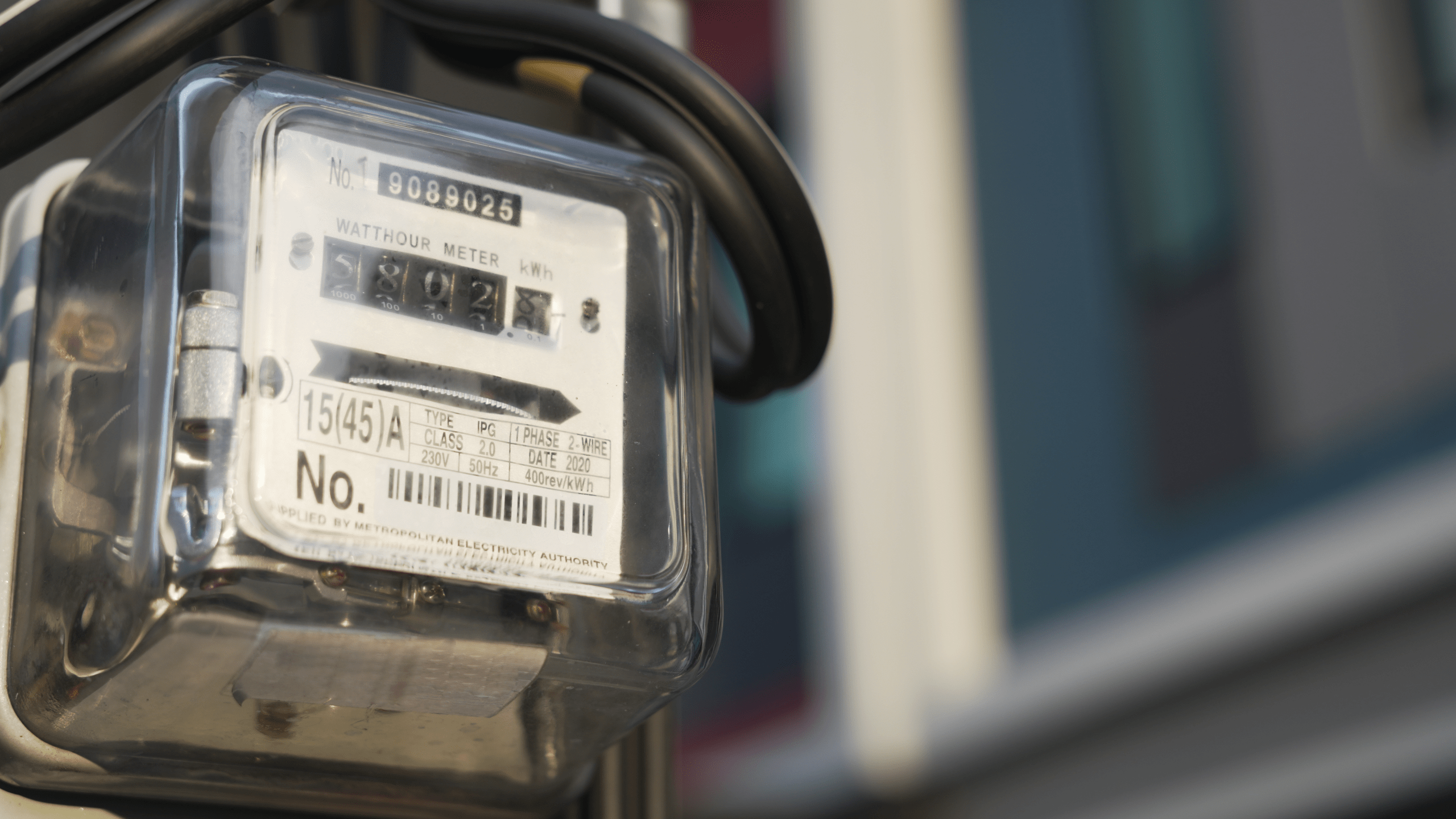
Check whether your business has smart or advanced electricity meters capable of recording half-hourly consumption data.
If you have older metering equipment, speak to your energy supplier or energy consultant about whether an upgrade may be required.
Review your electricity usage to identify periods of high demand, unnecessary consumption and potential efficiency improvements.
Businesses with access to half-hourly data can use this information to build a clearer picture of how their operations influence electricity costs.
Consider whether your current electricity contract is suitable for your business’s consumption patterns.
As new pricing options become available, understanding your operational requirements will help you assess whether a fixed-rate or more flexible contract is appropriate.
Consider whether energy-intensive activities could be scheduled differently without disrupting business operations.
For example, adjusting equipment schedules or avoiding unnecessary simultaneous operation may help reduce peak electricity demand.
Ensure your meter details, electricity consumption records and billing information are accurate.
Identifying existing data or metering issues can help prevent unnecessary complications as your business moves through the transition.
Understanding the changes to electricity settlement and what they mean for your business can be challenging, particularly if you manage multiple sites or have complex energy requirements.
At Flame Energy, we help businesses gain greater visibility and control over their energy consumption, costs and contracts.
Our team can support your business by:
Whether you are reviewing your current electricity contract or preparing for changes to your metering arrangements, we can help you understand your options and make informed decisions.
Market-Wide Half-Hourly Settlement represents a significant change to how electricity is measured and accounted for across Great Britain.
Although the transition is being managed by electricity suppliers and industry participants, businesses can use this opportunity to take a closer look at their energy consumption, metering arrangements and procurement strategies.
Understanding when your business uses electricity, identifying opportunities to improve efficiency and reviewing your contract options can help you prepare for a more data-driven electricity market.
Not sure what MHHS means for your business?
Flame Energy can help you review your energy arrangements and understand the opportunities available to your business.
Find clear answers to some of the most common questions we’re asked about our services and how we support your business.
MHHS stands for Market-Wide Half-Hourly Settlement. It is a reform of the electricity market in Great Britain that enables suppliers to use actual half-hourly consumption data from smart and advanced meters, where available and permitted, to improve the accuracy of electricity settlement.
MHHS does not automatically mean your business electricity bills will increase. The impact on your costs will depend on your electricity contract, consumption patterns and any changes your supplier makes to its pricing arrangements. Businesses should review their contracts and energy usage before considering new tariff options.
Not necessarily. If your business already has a compatible smart or advanced electricity meter, an upgrade may not be required. Businesses with older metering equipment should contact their electricity supplier to establish whether any changes are needed.
No. MHHS does not require every business to move onto a time-of-use electricity tariff. Your electricity rates will continue to depend on your contract and supplier. However, the reform is expected to support the development of more flexible tariffs that reflect when electricity is consumed.
Start by reviewing your electricity metering arrangements, checking the accuracy of your energy data and understanding your consumption patterns. You should also review your current electricity contract and speak to your supplier or energy consultant about any changes that may affect your business.
Whether you’re approaching renewal, looking to reduce costs or planning your sustainability strategy, our experts are here to help you make informed energy decisions.