Supercharging the UK Grid: £8 Billion Investment to Support EVs and Smart Energy

The UK is undergoing its biggest electricity grid upgrade in decades, with £8 billion being invested to modernise and futureproof the network. This massive infrastructure boost comes at a crucial time as the demand for electric vehicles (EVs), EV charging points, smart meters, and new energy connections continues to rise. For businesses and developers, this presents a major opportunity to get ahead of the curve—whether by electrifying fleets, installing EV chargers, or preparing for a smarter, low-carbon future.
AI-Driven Energy Demand: How AI Is Reshaping the UK’s Energy Landscape

Artificial Intelligence (AI) is no longer just a buzzword—it’s a powerful force transforming everything from customer service to data analysis. But behind AI’s sleek algorithms lies a less visible consequence: energy consumption.
Know Your Meters: A Guide for Businesses

Understanding your energy meters is key to managing your business’s energy consumption effectively. Whether you’re a small enterprise or a large energy-intensive company, knowing the different types of meters and how they work can help you save money, reduce waste, and improve operational efficiency. At Flame Energy, we’re committed to helping businesses make smart energy choices. Here’s a straightforward guide to the most common meters and why upgrading your metering system matters.
Plastic, Waste & Energy – The Overlooked Crossroads in Business Sustainability

When planning for net zero, many businesses manage energy and waste in separate silos. But in reality, the two are intrinsically linked. From the production and disposal of plastic to the rising potential of waste-to-energy solutions, the overlap is becoming too significant to ignore.
How the EII Support Levy Could Impact Your Business Energy Costs

The UK government’s Energy Intensive Industries (EII) Support Levy came into effect in April 2025 as part of the British Industry Supercharger initiative, designed to reduce energy costs for eligible energy-intensive businesses. But what does this mean for your business – and your energy bill?
How to Get Paid for Excess Solar Energy: A Guide to Export Energy Contracts for Businesses
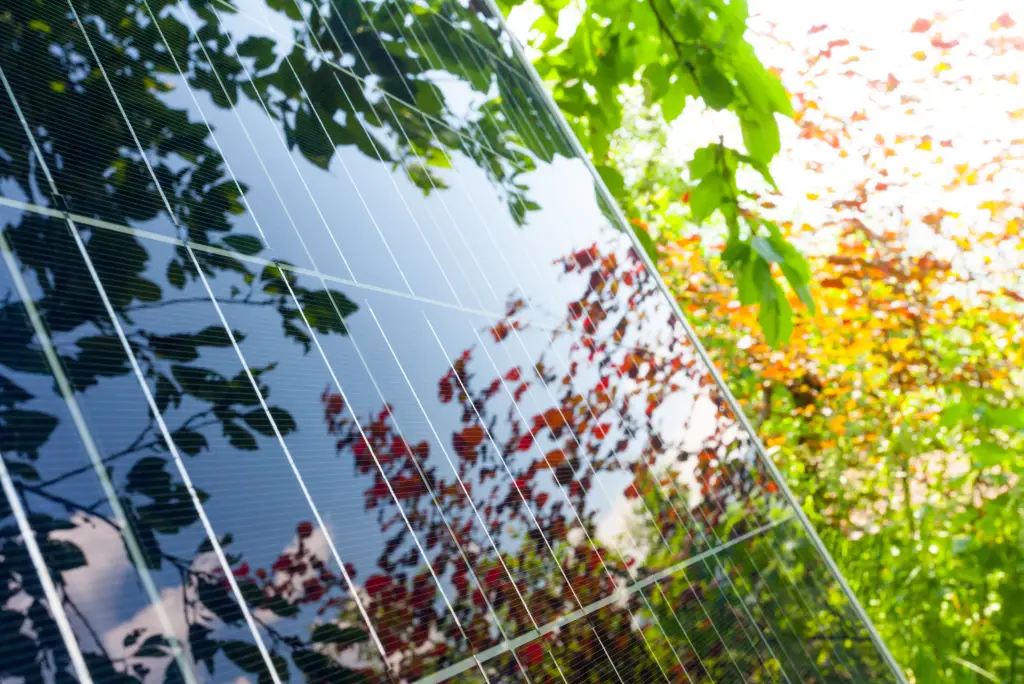
As more businesses invest in solar panels and other renewable energy systems, the opportunity to turn unused electricity into an additional revenue stream has never been greater. Instead of letting surplus power go to waste, smart companies are cashing in through export energy contracts—agreements that pay you for feeding electricity back into the national grid. In this guide, we’ll break down how these contracts work, why they’re a smart move for your business, and how Flame Energy can help you get the most value from every extra kilowatt-hour.
Proud to Be Cyber Essentials Plus Certified for 2025

At Flame Energy, we’re proud to announce that we have once again achieved Cyber Essentials Plus Certification for 2025. This accreditation reflects our ongoing commitment to protecting our systems, our customers’ data, and the trust placed in us by businesses across the UK.
What Is Zonal Electricity Pricing and How Could It Affect UK Businesses?
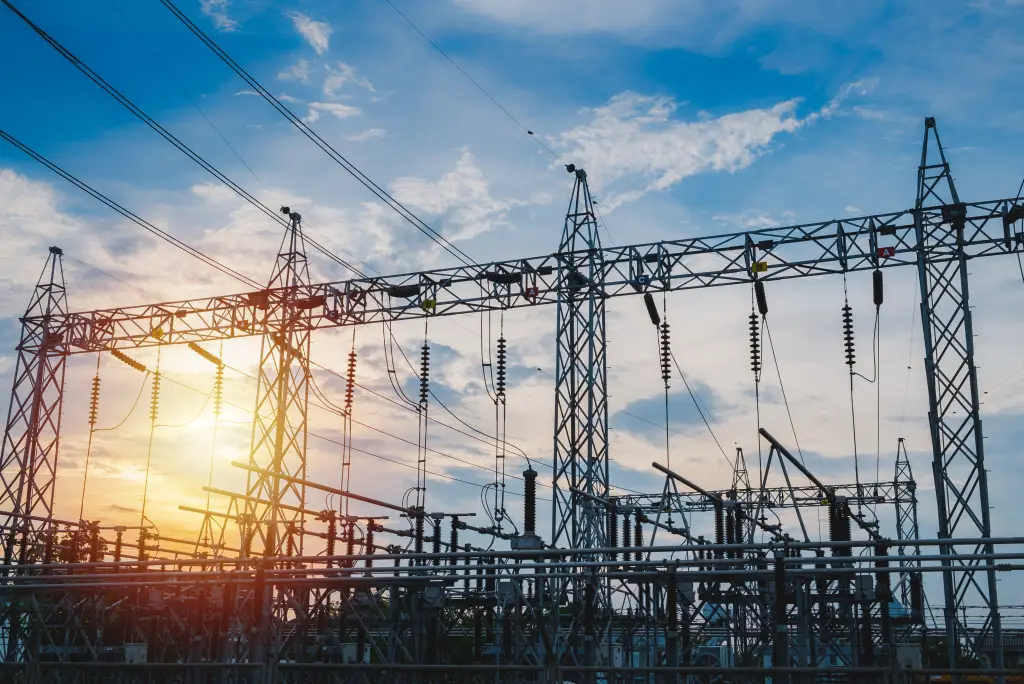
As the UK accelerates towards a greener, more flexible energy system, there’s increasing conversation around zonal electricity pricing — a potential shake-up in how we’re charged for power. But what does this mean for businesses, and how could it impact your energy costs?
RTS Meters Are Being Phased Out – Here’s What Businesses Need to Know
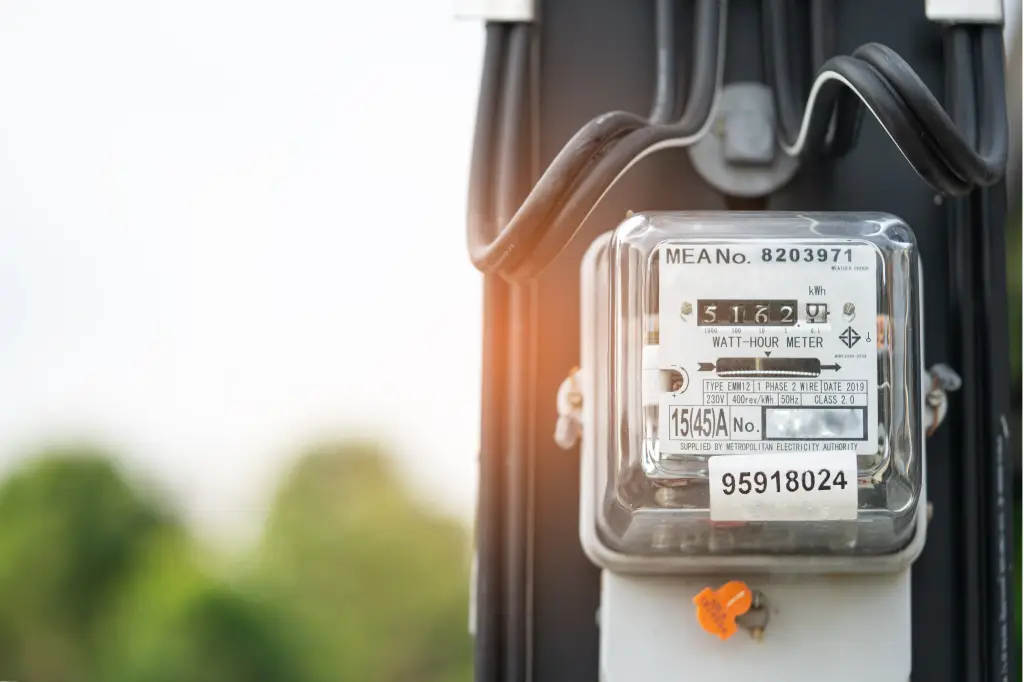
The Radio Teleswitch Service (RTS) is officially coming to an end on 30th July 2025. If your business still uses an RTS meter, it’s time to start planning for an upgrade to avoid disruptions and unexpected energy costs.
6 Energy Purchasing Tips to Lock in the Best Rates for Your Business

Energy markets are always changing, and knowing when to lock in your contract can mean big savings. Whether you’re new to energy procurement or looking to refine your strategy, these six expert tips will help you make smarter, more cost-effective decisions for your business.