Europe is heading into winter 2026/27 with significantly less natural gas in storage than usual, raising concerns about energy supply resilience, wholesale gas prices and the potential impact on UK businesses.
According to KYOS European Gas Analytics, European gas storage was approximately 74.1% full in early November, around 15 percentage points below its five-year seasonal average. More recent reported figures put EU storage at approximately 70.5% on 14 November 2026, compared with a five-year average of around 88.5%. These are dated readings, not live figures.
With the winter heating season underway, lower reserves could leave European energy markets more exposed to cold weather, supply disruptions and changes in global liquefied natural gas (LNG) availability. For UK businesses, the question is whether this could translate into higher energy costs.
In this article, we’ll cover:
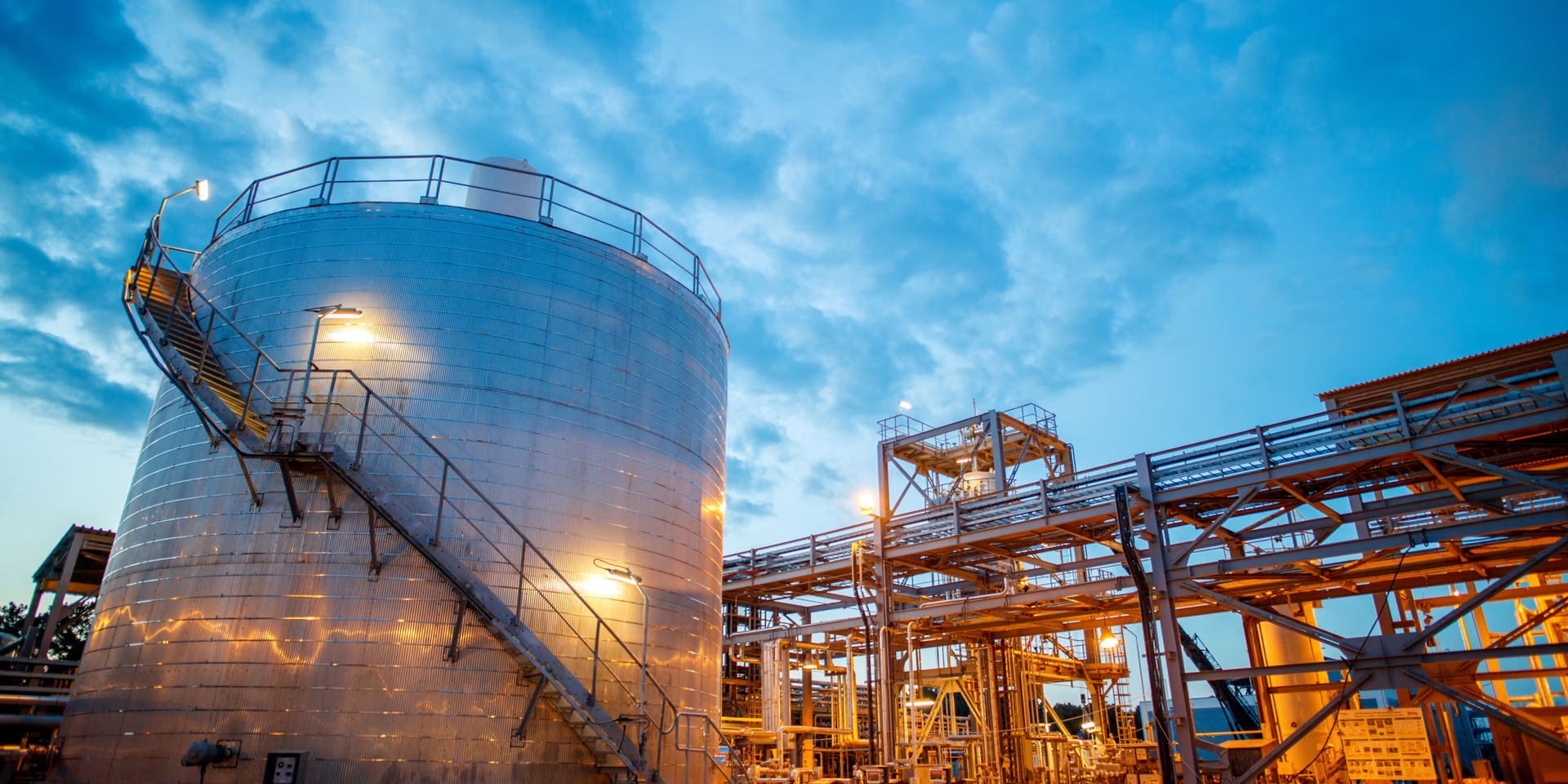
Underground gas storage plays an important role in Europe’s energy infrastructure. During periods of lower demand, gas can be injected into storage facilities and held for use when consumption increases, particularly throughout colder months. Storage helps balance
seasonal demand and provides flexibility when pipeline supplies or LNG deliveries are disrupted.
Europe entered winter 2026/27 with considerably lower reserves than in previous years. Gas Infrastructure Europe reported that EU underground gas storage was approximately 72% full on 1 October 2026, highlighting low inventories and uncertainty surrounding LNG availability.
1. Challenges During the Summer Refill Period
European storage is typically replenished during spring and summer. Unfavourable market conditions, elevated wholesale prices and supply uncertainty can make injections more challenging. When the difference between summer and winter prices is insufficient to cover storage costs, the commercial incentive to refill can weaken. This can leave a smaller reserve buffer at the start of winter.
2. Continued Uncertainty Around LNG Supplies
Europe increasingly relies on LNG imports to supplement pipeline gas. LNG offers flexibility, but European buyers compete with customers in Asia and elsewhere for cargoes. Disruption to production, shipping routes or export infrastructure can affect European supply availability and wholesale prices. Low storage can amplify market sensitivity to these events.
3. The Start of Winter Gas Withdrawals
As temperatures fall, heating demand rises and European storage facilities generally begin withdrawing gas rather than injecting it. Inventories naturally decline through winter. The concern this year is not simply that levels are falling, but that the withdrawal season began with a smaller buffer than usual.
Although the UK is outside the European Union, its energy market remains connected to European and global gas markets. Britain receives gas from domestic production, Norwegian pipelines and LNG imports, and gas can flow through interconnectors with continental Europe. European supply and demand can therefore influence UK wholesale gas prices.
Increased Wholesale Gas Price Volatility
Lower storage can make markets more sensitive to weather forecasts, LNG availability and geopolitical developments. Forecasts of prolonged freezing temperatures may increase expected demand, while supply uncertainty can affect prices. However, low storage does not automatically mean higher prices. Mild weather, improved LNG availability or weaker demand may ease pressure.
Greater Competition for LNG
With less gas in storage, European countries may rely more heavily on LNG imports throughout winter. Competition for cargoes, particularly when Asian demand is strong, can affect international pricing. ENTSOG’s Winter Supply Outlook 2026/27 highlights the importance of LNG deliveries to Europe’s gas balance.
Potential Impacts on Electricity Prices
Gas-fired power stations remain important to Britain’s electricity mix, particularly when renewable output is low or demand is high. When gas generation sets the wholesale electricity price, higher gas costs can contribute to higher electricity prices. The relationship also depends on generation availability, renewable output and demand.
European infrastructure operators identify risks worth monitoring while recognising that the system has flexibility to meet demand under different conditions. Low starting inventories, constrained LNG availability and colder weather could increase pressure. A reported early-November comparison put storage at 74.1% against a five-year average of approximately 89.2%, a gap of around 15.1 percentage points.
What Happens if Europe Experiences a Colder Winter?
A colder-than-average winter would raise heating demand and accelerate storage withdrawals. Countries might need additional LNG imports. ENTSOG scenario modelling suggests that under a reference winter combined with tight LNG availability, EU storage could fall to approximately 13% by the end of March 2027. This is a modelled scenario, not a forecast.
Could Gas Storage Levels Affect Prices in 2027?
If Europe finishes winter with particularly low inventories, more gas will be needed for spring and summer 2027 refilling. This could sustain LNG demand and influence prices for future delivery. The outcome depends on weather, global supply and market responses.
1. Review Your Business Energy Contract
Check your contract end date and review procurement options ahead of renewal. Early preparation allows time to compare suppliers, contract structures and purchasing strategies.
2. Monitor Wholesale Energy
Market Developments
Follow supply, demand, weather and geopolitical developments to understand price movements and possible purchasing opportunities. Flame Energy supports businesses with market information and procurement guidance.
3. Consider Your Energy Purchasing Strategy
Fixed-price contracts can provide budget predictability, while flexible arrangements may allow eligible businesses to spread purchasing decisions across market periods. Neither is always the cheapest option. The appropriate approach depends on consumption, risk appetite and business requirements.
4. Identify Opportunities to Reduce Consumption
Review heating controls, equipment schedules, building efficiency and out-of-hours usage. Better monitoring can reveal waste and reduce exposure to high energy costs.
Storage levels at the end of one heating season influence how much gas needs to be bought during the following refill period. Low spring inventories could support summer demand for LNG. Conversely, improved supply, mild weather and lower consumption could help rebuild reserves. Businesses benefit from taking a longer-term view of procurement rather than reacting only to daily price movements.
With European gas storage significantly below its five-year average, winter 2026/27 could bring further uncertainty. Lower reserves do not guarantee higher prices, but they underline the importance of monitoring markets and reviewing purchasing strategies.
Flame Energy helps businesses navigate changing energy markets through tailored procurement support, contract management and ongoing energy advice. Whether you are approaching renewal or looking for greater price certainty, our team can help you explore your options.
Concerned about changing energy markets? Get in touch with Flame Energy today.
Explore frequently asked questions about the Jackdaw gas field approval, including its impact on UK energy security, domestic gas production, business energy prices and what the development means for UK businesses.
Challenging refill conditions, wholesale price pressures and uncertainty over LNG supplies have contributed to Europe entering winter with smaller reserves than usual.
It could contribute to higher wholesale prices if cold weather or disruptions increase demand. However, LNG supply, weather and consumption also matter, so price increases are not guaranteed.
Gas-fired generation can set Britain’s wholesale electricity price. Changes in gas costs can therefore affect electricity prices, alongside other market factors.
Countries may increase imports, reduce demand or use other supply flexibility measures. Low storage does not automatically mean business gas shortages.
Yes. Low inventories after winter would require greater refilling, potentially affecting LNG demand and wholesale prices in 2027.
Review renewal dates, monitor markets, compare purchasing strategies and identify efficiency improvements. Specialist procurement support can help assess options.
Whether you’re approaching renewal, looking to reduce costs or planning your sustainability strategy, our experts are here to help you make informed energy decisions.
We use cookies to personalise content, provide social media features, and analyse our traffic. We also share information about your use of our site with our analytics partners. You can change your preferences at any time. For more information, please see our Privacy Policy and Cookie Policy