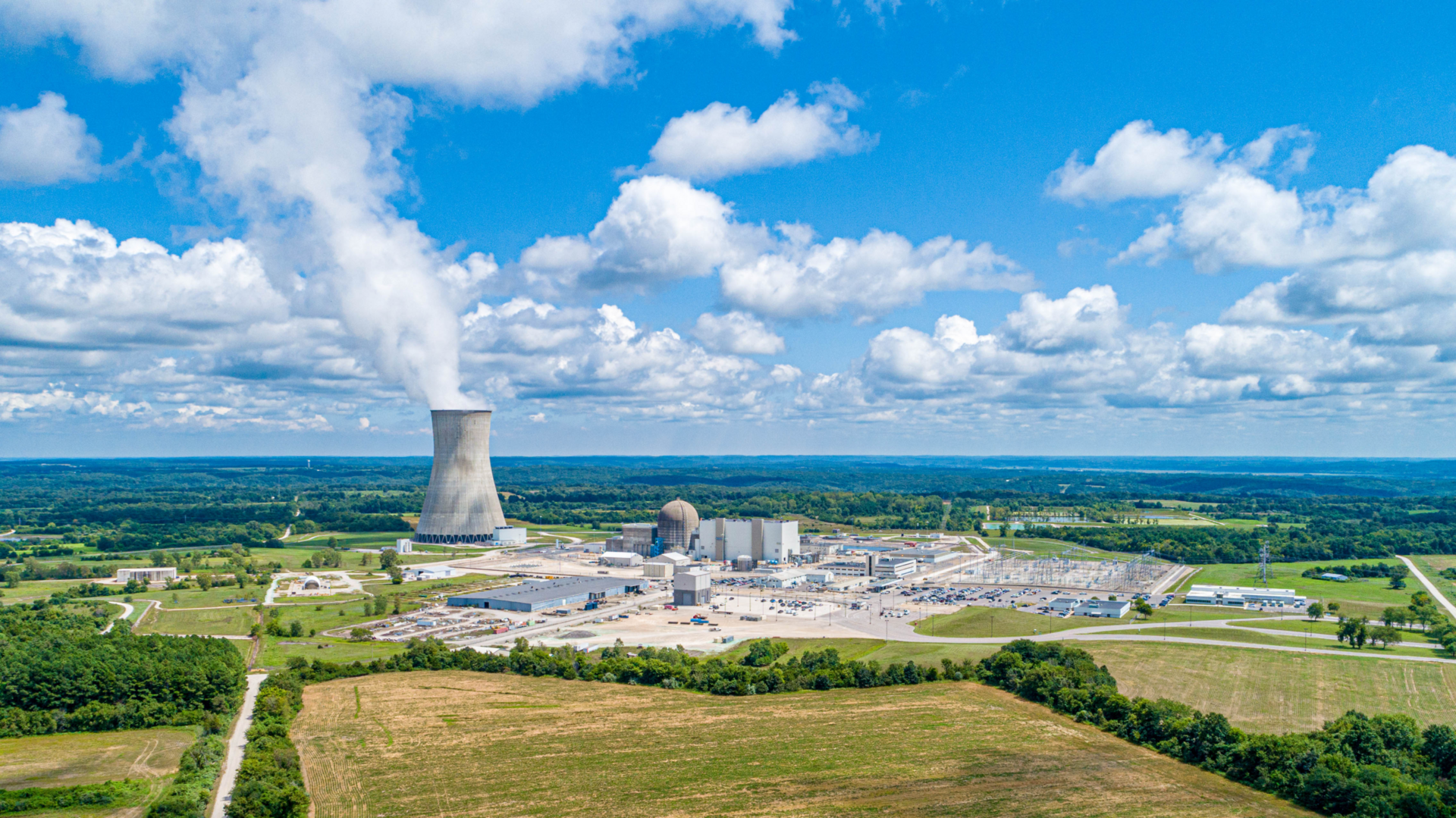
What is the Nuclear RAB Model?
The Nuclear Regulated Asset Base (RAB) model is a financing method designed to support the development of large-scale nuclear projects. Instead of developers shouldering the entire upfront cost, the RAB model allows them to recover some of their expenses during construction and operation through a regulated levy on energy bills.
This means:
- Developers receive a licence from an independent regulator.
- Certain construction, operational, and financing costs are passed on to consumers.
- The regulator ensures the charges represent value for money while allowing developers to secure a fair return on investment.
By lowering financing risks, the RAB model makes nuclear power more attractive to private investors while potentially reducing the overall project cost.
Sizewell C – The First Nuclear RAB Project
Sizewell C is the first UK nuclear power station to adopt this model. The project is expected to cost £38 billion, with:
- £17.8 billion committed by the UK government,
- The remainder to be funded by private investors, including EDF, Centrica, and others.
Over time, the government plans to reduce its shareholding from 47.5% to 42.5%, making private investment central to the project’s delivery.
How Will This Affect Your Energy Bills?
From 1 November 2025, a new RAB levy will appear on UK electricity bills to help fund Sizewell C.
- The confirmed rate is £3.455 per megawatt-hour (MWh).
- This equates to 0.3455 pence per kilowatt-hour (p/kWh).
- The Low Carbon Contracts Company (LCCC) will update the rate quarterly, meaning it could rise or fall in the future.
For businesses, this adds a new cost pressure to consider when budgeting for energy, especially with ongoing volatility in wholesale markets.
What Does This Mean for Businesses?
While nuclear investment supports the UK’s long-term energy security and low-carbon transition, the introduction of the RAB levy highlights the importance of effective energy management. Businesses that take proactive steps to reduce consumption, improve efficiency, and explore renewable energy solutions will be better positioned to offset these additional costs.
At Flame Energy, we help organisations stay ahead of these changes with expert support in:
Final Thoughts
The Nuclear RAB model is set to play a key role in financing the UK’s nuclear future, starting with Sizewell C. But while it helps ensure long-term energy security, the levy on bills means businesses and consumers will feel the impact directly.
Now more than ever, energy strategy matters. If you want to prepare for these upcoming changes and keep your costs under control, speak to Flame Energy today – we’ll help you make energy simpler, smarter, and more sustainable.