The Smart Export Guarantee (smart export guarantee) is the UK scheme that allows businesses and homeowners to earn money for surplus electricity exported back to the grid from solar panels or other renewable generation.
If your business has solar installed, or is considering a new system, choosing the right export arrangement is essential to maximising returns. The difference between available tariffs can significantly impact your annual income.
At Flame Energy, we help businesses secure the best SEG tariff and ensure export systems are correctly set up for accurate payments and long-term optimisation.
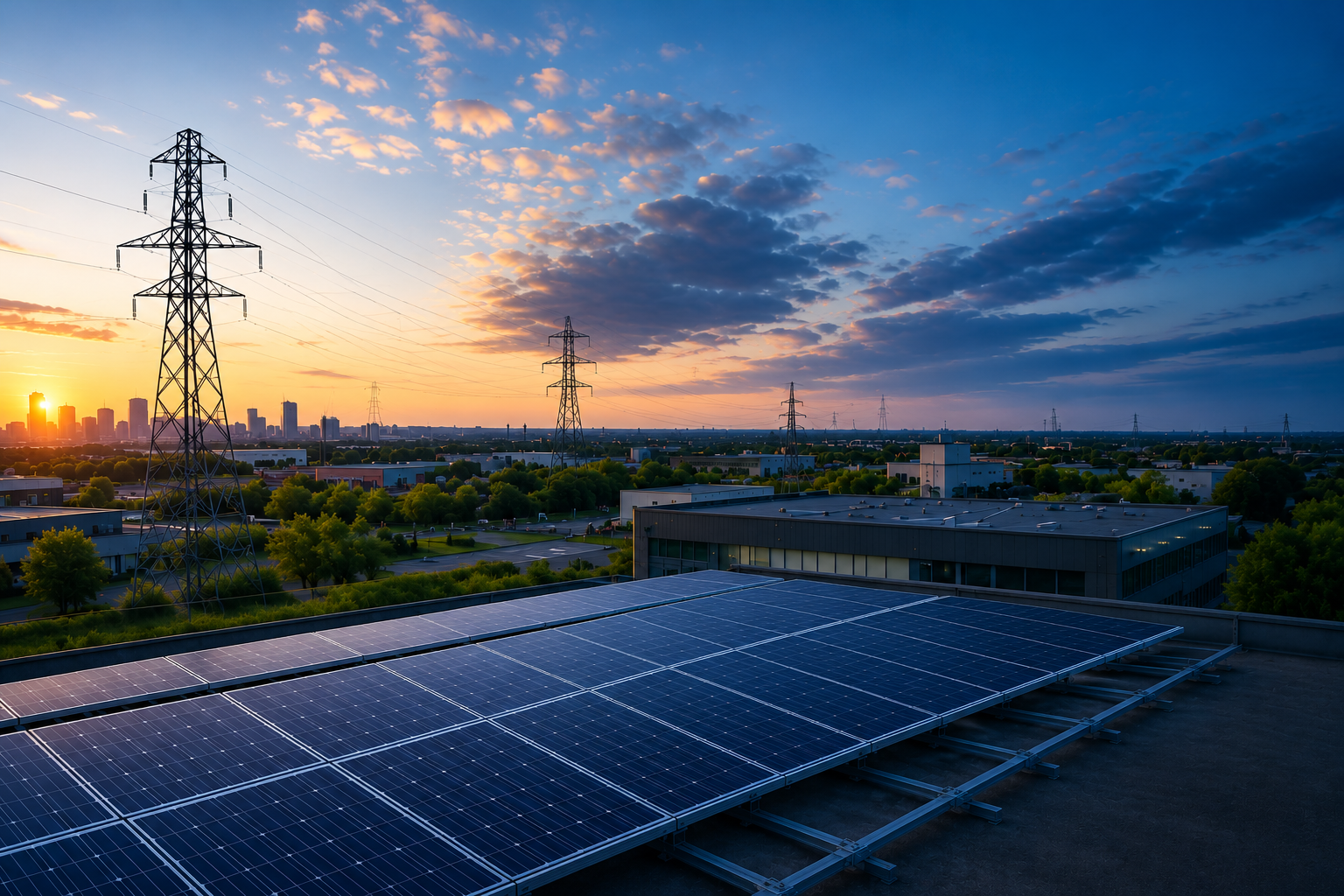
The Smart Export Guarantee (SEG) is a government-backed obligation that requires licensed electricity suppliers to pay for electricity exported to the grid from eligible renewable systems.
It replaced the Feed-in Tariff export payments for new installations and is now the standard route for earning export revenue in the UK.
To qualify, most systems require:
The best SEG rates vary between suppliers and depend on your system type, export profile, and whether you have batteries or flexible export capability.
In general, SEG rates in the UK typically range from low single digits per kWh up to higher fixed or time-of-use tariffs for optimised systems.
Smart export guarantee rates are not fixed by government. Instead, suppliers set their own export prices, meaning rates can vary significantly between contracts.
Common tariff structures include:
Because of this variation, selecting the right tariff structure is just as important as the solar installation itself.
The best SEG tariff for your organisation depends on how and when your system exports electricity.
Key factors include:
Businesses with batteries or flexible energy management systems can often access higher-value export opportunities by shifting export to peak demand periods.
To receive SEG payments, your system must be correctly configured.
This includes:
Export Meter
An export meter measures how much electricity is sent back to the grid. Most commercial systems use half-hourly smart metering to ensure accurate settlement.
Export MPAN
Your export MPAN is the unique reference number used to register your export connection and enable payment from suppliers.
Without a valid export MPAN, export payments cannot be processed.
Simply exporting electricity is not always enough to maximise value. Businesses can increase returns by:
A structured approach to export management can significantly increase lifetime solar returns.
We help businesses move beyond basic SEG registration to a fully optimised export strategy.
Our support includes:
Our goal is to ensure your renewable assets deliver maximum financial return, not just compliance payments.
If your business is generating or planning to generate solar energy, we can help you secure the most suitable smart export guarantee arrangement and improve your export income.
Contact Flame Energy today to review your setup and access the best SEG rates available for your site.
Whether you’re approaching contract renewal, looking to reduce costs or planning your sustainability strategy, our specialists are here to help you find the right solution for your business.
Find clear answers to some of the most common questions we’re asked about our services and how we support your business.
The Smart Export Guarantee (SEG) is a scheme that allows businesses and households with eligible renewable energy systems to receive payments for surplus electricity they export back to the grid. Energy suppliers set their own SEG rates, providing an opportunity to earn from unused renewable energy generation.
To be eligible for Smart Export Guarantee (SEG) payments, your renewable energy system must meet certain requirements, including being installed by an approved installer and having a suitable meter to measure exported electricity. Eligible technologies typically include solar PV, wind, hydro and other small-scale renewable generation systems.
Yes. SEG is available for eligible commercial solar systems. Businesses with qualifying solar installations can receive payments for surplus electricity exported to the grid, provided they meet the scheme requirements and have suitable export metering in place.
The amount a business can earn from SEG payments depends on the amount of electricity exported, the size and performance of the renewable energy system and the SEG tariff rate offered by the energy supplier. Rates vary between providers, so earnings will differ depending on the agreement chosen.
SEG and a PPA are different ways of gaining value from renewable energy generation. A Smart Export Guarantee (SEG) pays you for surplus electricity exported to the grid, with rates set by energy suppliers. A Power Purchase Agreement (PPA) is a contract to sell or purchase generated electricity at an agreed price, typically providing longer-term price certainty and structured revenue.