How to Handle Energy Back Billing and Unexpected Charges
Published: 24/04/2026
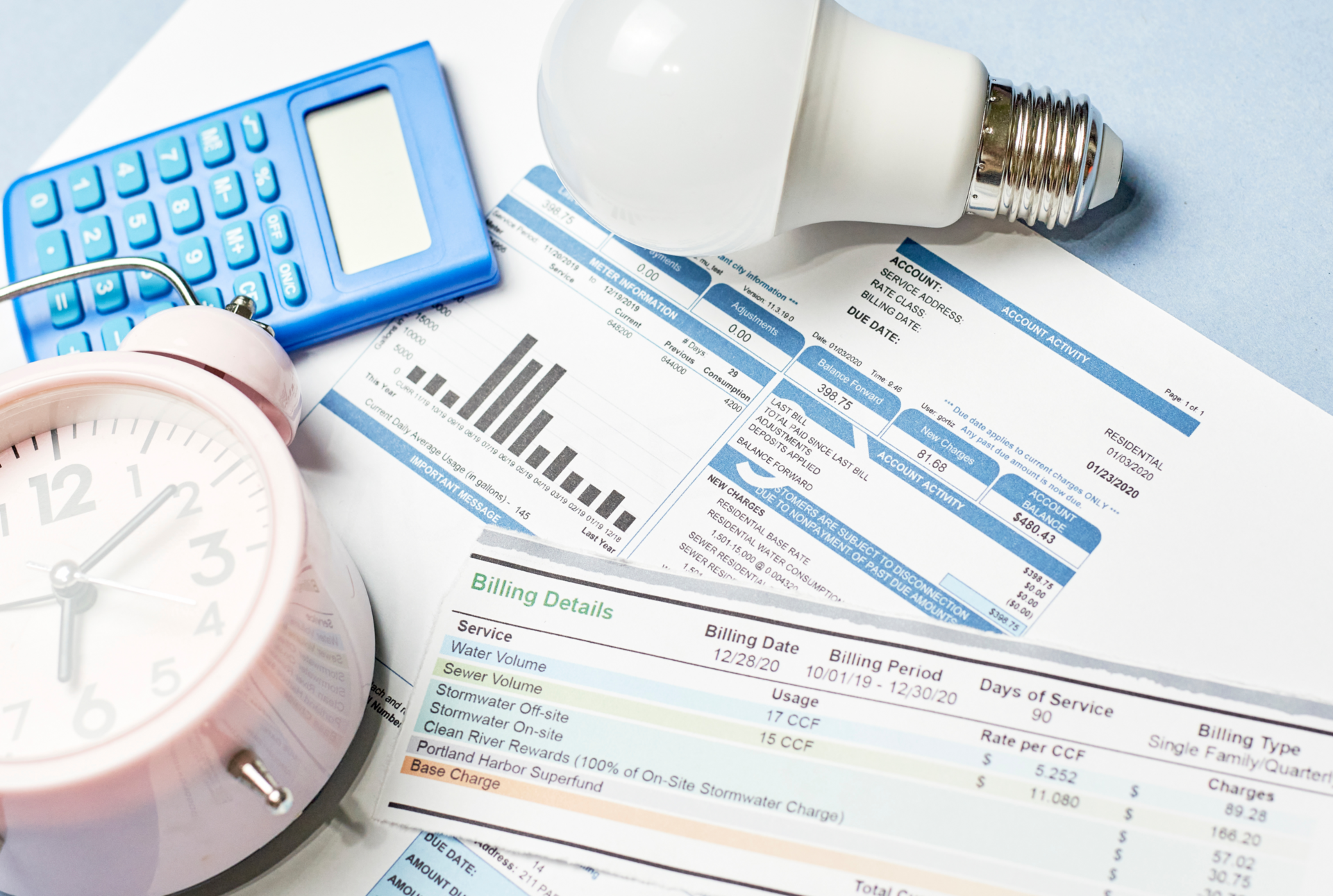
Getting an unexpectedly high energy bill is frustrating at the best of times, especially when it’s a backdated charge for energy you used months (or even years) ago. For UK businesses, energy back billing and surprise fees can create serious cash flow issues and disrupt budget planning.
So what exactly is back billing? And what can you do if it happens to your business?
This guide will explain the causes, your rights, and how to handle energy back billing and unexpected charges effectively.
What Is Energy Back Billing?
Back billing occurs when an energy supplier bills you for energy used in the past but not previously charged due to errors or delays like incorrect meter readings, estimated bills, or administrative mistakes.
While back billing is legal in the UK, there are limits and rules in place to protect businesses and consumers.
Ofgem Rules: Time Limits for Back billing
Under Ofgem regulations, suppliers can’t issue a back bill for energy used more than 12 months ago, unless the customer has obstructed the billing process (e.g. by refusing access to the meter or not paying at all).
What This Means for You:
If you receive a back bill covering usage from more than a year ago, and you weren’t at fault, you may not have to pay it.
If the back bill is within 12 months, you’ll likely be liable—but you can still dispute it if it’s inaccurate or poorly explained.
Common Causes of Back Billing
Understanding the cause can help you respond effectively. Back billing often results from:
- Incorrect or estimated meter readings
- Meter faults or technical issues
- Supplier billing system errors
- A change in tenancy or occupancy
- Switching suppliers without a final reading
- Smart meter data is not being received properly
How to Handle a Back Bill or Unexpected Energy Charge
Check the Billing Period
Carefully review the dates the back bill covers. If any of it relates to energy used more than 12 months ago (and you weren’t obstructive), you may have grounds to challenge it.
Keep records of previous bills, communications, and meter readings to support your case.
Request a Breakdown
Ask your supplier for a full explanation and itemised breakdown of the charge.
Ensure:
- The units billed match your actual usage.
- Standing charges and VAT are correctly applied.
- No duplicate or overlapping charges are present.
Verify Meter Readings
Compare the readings used for the bill against:
- Your own manual readings
- Smart meter logs (if available)
- Historical bills
If there’s a major discrepancy, it may be due to an estimated or incorrect reading.
Check for Supplier Fault
You may not be liable for back charges if the supplier failed to:
- Send you regular bills
- Use actual readings when available
- Respond to submitted readings
- Notify you of billing issues promptly
Suppliers have a duty of care to manage billing responsibly. If they didn’t, this strengthens your case.
Negotiate a Payment Plan
If the bill is correct but large, ask to spread the cost over several months. Most suppliers will agree to a repayment plan, especially if you’ve had a good payment history.
This helps protect your business from cash flow disruptions.
Raise a Formal Complaint if Needed
If you’re unhappy with the supplier’s response:
- Raise a formal complaint following their process.
- Escalate to the Energy Ombudsman if the issue isn’t resolved within 8 weeks.
The Ombudsman can instruct suppliers to reduce or cancel the charges if you’re found not at fault.
How to Prevent Future Back Billing
Submit Regular Meter Readings:
Even if you have a smart meter, manually check and submit readings to avoid estimated bills.
Monitor Usage:
Use an energy monitoring system or software to track usage patterns and spot anomalies early.
Keep Good Records:
Store your past bills and meter photos in case you need to challenge a charge.
Book Annual Energy Reviews:
A regular contract and usage review can help spot errors, avoid overcharges, and secure better deals.
Final Thoughts
Energy back billing and unexpected charges can catch even the most organised businesses off guard. But with the right approach, knowing your rights, reviewing your bills carefully, and communicating effectively with suppliers, you can often resolve issues fairly and reduce the impact on your operations.
If you’re struggling with a disputed bill or need help reviewing your energy account, we offer a wide variety of services and would be happy to advise you where needed.