Estimated energy bills can lead to inaccurate costs, poor forecasting and missed opportunities to improve efficiency. Discover how accurate data,...
Read More
UK Government Cuts Electricity Bills for Manufacturers: What It Means for Your Business
Published: 16/04/2026
The UK Government has announced plans to reduce electricity costs for over 10,000 manufacturers, with bills expected to fall by up to 25%.
It’s a clear acknowledgement that energy costs remain one of the biggest pressures on UK industry. While the headline is positive, the details and timing are what really matter for businesses.
What Has Been Announced?
The changes sit within the British Industrial Competitiveness Scheme (BICS), part of the Government’s wider Industrial Strategy.
Key points include:
- Electricity bill reductions of up to 25% for eligible businesses
- Expansion of the scheme to cover more manufacturers
- Full rollout expected from April 2027
- A one-off payment to cover support from April 2026
The aim is to reduce operating costs for energy-intensive industries and improve the UK’s global competitiveness.
Why This Matters
For many UK manufacturers, energy is one of the highest operational costs.
Compared to other countries, UK electricity prices have remained relatively high. That has made it harder for businesses to compete, invest, and scale.
This move is designed to:
- Ease cost pressures on high-energy users
- Support key industrial sectors
- Encourage investment and growth
- Strengthen the UK’s position in global markets
It’s a step towards levelling the playing field.
Where the Savings Come From
The savings are not driven by falling wholesale energy prices.
Instead, they come from reducing policy and system-related costs within electricity bills, such as environmental levies and other non-commodity charges.
For some businesses, this could equate to savings of around £40 per MWh. For energy-intensive operations, that is a meaningful reduction.
The Timing Challenge
While the announcement is positive, the timeline is important.
- The full scheme does not take effect until 2027
- Some support will be backdated, but not immediately felt
- Businesses are still managing high costs today
For many organisations, the pressure is happening now, not in two years’ time.
This means the announcement should be seen as part of a longer-term shift, not a short-term solution.
BICS vs EII: Where the Opportunity Is Now
While BICS presents a strong future opportunity, there is already support available today through the Energy Intensive Industries (EII) scheme.
The EII scheme allows qualifying businesses to receive up to 100% exemption on eligible electricity costs, including:
- Renewables Obligation (RO)
- Feed-in Tariffs (FiT)
- Contracts for Difference (CfD)
- Capacity Market (CM)
- Regulated Asset Base (RAB) charges
- EII support levy
These exemptions apply as soon as a business is approved.
In addition, Network Charging Compensation (NCC) is set to increase to 90% from April 2026, further strengthening the level of support available.
For many qualifying businesses, EII can deliver larger savings immediately, rather than waiting for BICS in 2027.
It is important to note that exemptions cannot be duplicated. Businesses can only benefit from one scheme.
That makes it essential to assess eligibility now, rather than delay.
- If you qualify for EII, there is an opportunity to reduce costs straight away
- If you are more suited to BICS, early preparation will be key to securing savings from day one
How Flame Energy Supports This
At Flame Energy, we already manage EII applications and support businesses through the full eligibility and approval process.
We can:
- Assess whether your business qualifies for EII
- Manage the application process end-to-end
- Identify the level of savings available
- Prepare your position for BICS ahead of April 2027
This puts us in a strong position to help businesses act now, while also planning for future cost reductions.
What This Means for Your Energy Strategy
This reinforces a key point.
Energy costs are not just about the unit rate. They are shaped by how your contract is structured, how your energy is procured, and how your usage is managed.
Even with government support on the way, businesses should be focusing on:
- Reviewing current energy contracts
- Understanding exposure to non-commodity costs
- Building flexibility into procurement strategies
- Improving visibility on usage and performance
Waiting for policy changes alone leaves too much risk.
Where to Focus Now
For energy-intensive businesses, there is a clear opportunity to get ahead.
Practical steps include:
- Reviewing contract position and renewal timelines
- Identifying avoidable or hidden costs
- Exploring fixed and flexible purchasing options
- Improving efficiency across sites
- Planning ahead for how future schemes will apply
The businesses that benefit most from cost reductions are the ones that already have control over their setup.
Final Thought
This is a positive move from the Government and a sign that industrial energy costs are being taken seriously.
But it also highlights a wider reality.
The businesses that stay competitive are not waiting for change. They are actively managing their energy strategy now.
Need a clearer view of your eligibility and energy setup?
Flame Energy can help you assess EII eligibility, prepare for BICS, and bring control to your overall energy strategy.

Powering Success. Power your projects with our water and energy management services.
Reach out today & discover how we can help.
Useful Links
Recent Blog Posts

Flame Energy Insights: July Edition
Your go-to resource for the latest insights, trends, and best practices in sustainable energy management. In this edition, we cover:...
Read More
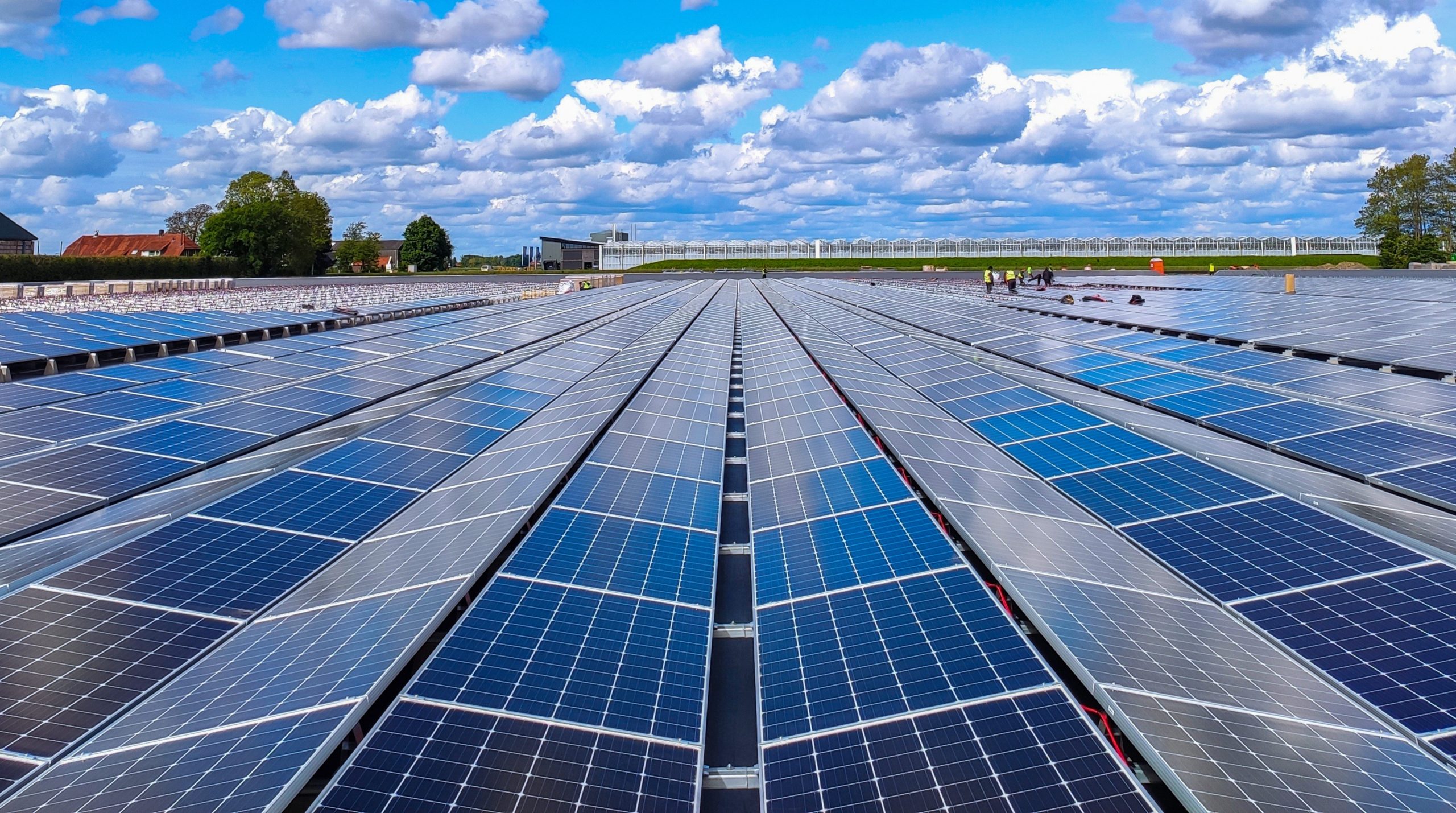
How Commercial Solar Export Payments Work for UK Businesses
For many UK businesses, solar panels are already reducing operational energy costs. But what's often overlooked is the additional revenue...
Read More
Section
Section
GET IN TOUCH
We're always here for you
Please do not hesitate to contact us if you require further information about how we could improve your Energy management.
Newsletter Signup

© Copyright 2026 Flame UK
All rights reserved.
Quick links
Quick link pages
Company Registration Number: 12025193. VAT Number: 357 406 000. Registered address: White House, Wollaton Street, Nottingham, NG1 5GF