
What Are MOP, DC, and DA Charges?
When your business uses electricity, you are not just paying for the energy itself. You are also paying for the infrastructure and industry services required to measure, transmit, validate, and process your energy consumption data.
These services are split into three key industry roles:
MOP (Meter Operator)
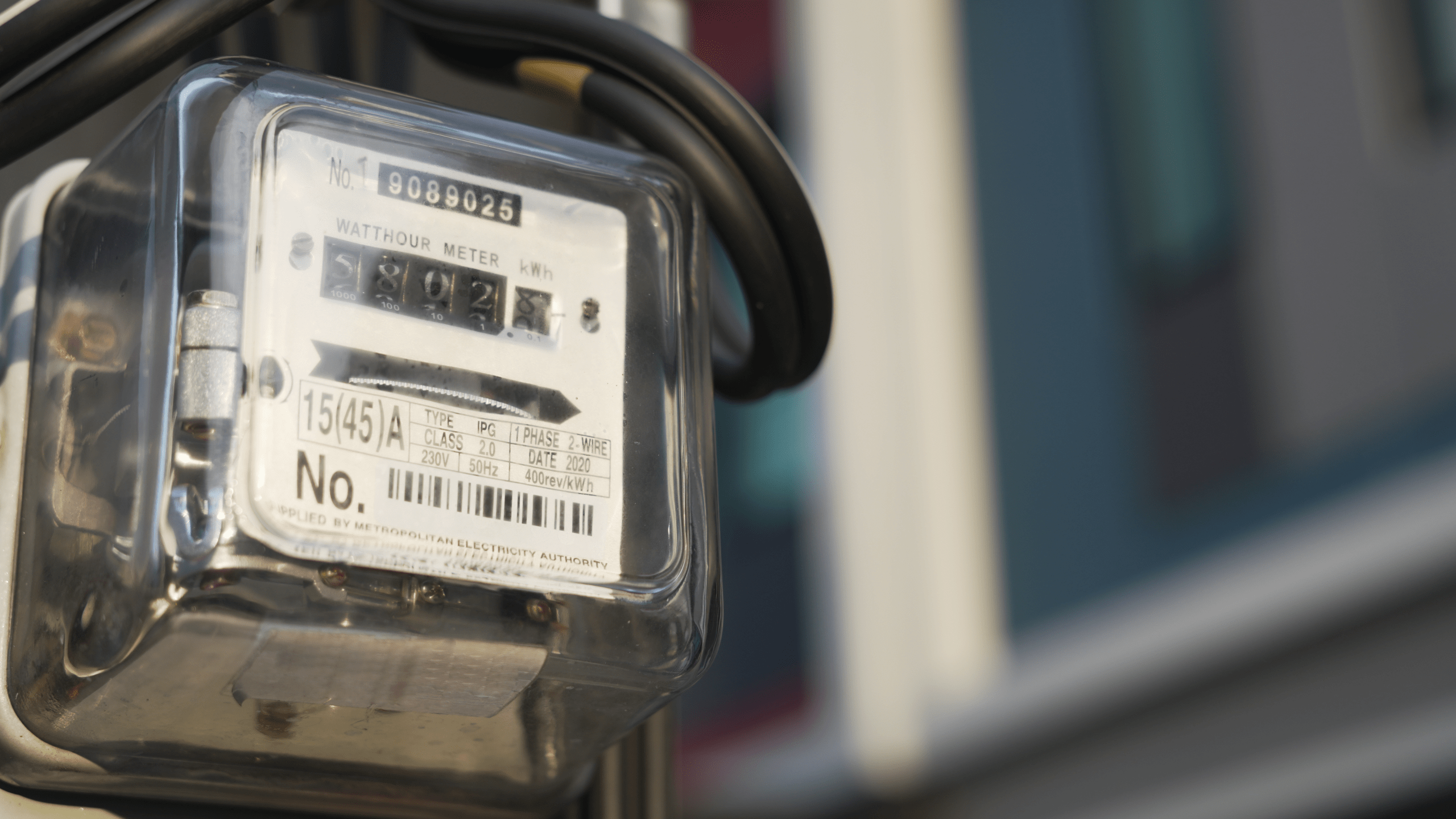
The Meter Operator is responsible for the physical electricity metering equipment installed at your site.
Their responsibilities typically include:
- Supplying and installing the electricity meter
- Maintaining and servicing the meter
- Managing meter communications technology
- Ensuring the meter complies with industry regulations
MOP charges are most commonly associated with Half-Hourly (HH) and advanced meters, although MHHS changes are now bringing similar structures into wider use across the market.
DC (Data Collector)
The Data Collector retrieves electricity usage data directly from your meter.
Under MHHS, suppliers and industry systems now rely on half-hourly consumption data rather than estimated readings or monthly totals. The DC is responsible for:
- Collecting meter readings remotely
- Validating data accuracy
- Identifying missing or incorrect readings
- Ensuring accurate billing information is passed through the industry systems
DA (Data Aggregator)
The Data Aggregator takes the validated consumption data and formats it for industry settlement processes.
Their role includes:
- Aggregating consumption data
- Submitting data into central settlement systems
- Supporting accurate supplier balancing and industry reporting
Although DA charges are usually small, they are a mandatory part of the electricity settlement process.
Why Are These Charges Appearing on Business Energy Bills Now?
The appearance of separate MOP and DC/DA charges is largely being driven by Ofgem’s Market-Wide Half-Hourly Settlement (MHHS) programme.
MHHS is a major upgrade to the UK electricity market designed to create a smarter, more flexible energy system. Instead of relying on estimated readings or infrequent meter data, all business electricity meters are gradually moving toward half-hourly data collection.
This allows:
- More accurate billing
- Improved energy forecasting
- Better support for renewable energy generation
- Greater grid flexibility
- Smarter energy management for businesses
As suppliers prepare for MHHS implementation deadlines through 2026 and 2027, many are restructuring invoices to show metering and data services as separate line items rather than embedding them within standing charges.
In many cases, the overall cost may not be entirely new – it is simply becoming more transparent on your electricity invoice.
Are Your MOP and Data Charges Reasonable?
One of the biggest issues businesses now face is understanding whether these charges are competitive.
We regularly see:
- Overinflated MOP contracts
- Duplicate data charges
- Incorrect meter classifications
- Businesses paying Half-Hourly rates unnecessarily
- Legacy agreements rolling over at excessive prices
Because many organisations have never previously seen these charges broken out separately, they often go completely unchecked.
Let Flame Energy Review Your Electricity Billing
If new MOP, DC, or DA charges have appeared on your latest business electricity bill, it is worth having them reviewed.
At Flame Energy, we can:
- Audit your current energy invoices
- Review your meter setup and profile class
- Check whether your MOP and data charges are competitive
- Identify unnecessary standing charge increases
- Help ensure your business is not overpaying for metering and data services
As MHHS continues to reshape the UK energy market, understanding your electricity billing structure is becoming increasingly important.
If you would like us to review your current setup, our team is happy to help.