
Estimated energy bills can lead to inaccurate costs, poor forecasting and missed opportunities to improve efficiency. Discover how accurate data,...
Read More
How Commercial Solar Export Payments Work for UK Businesses
Published: 15/07/2026
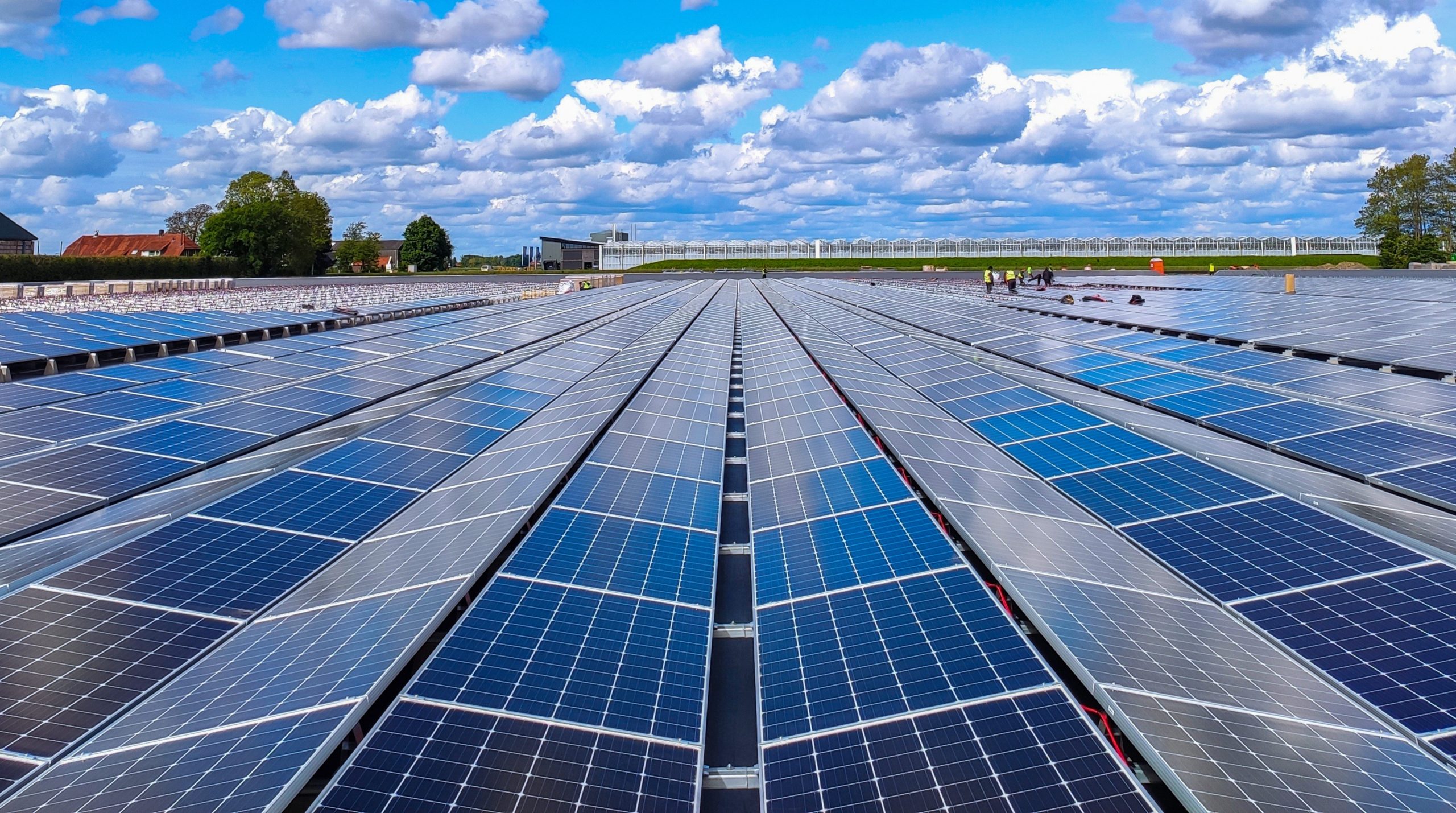
For many UK businesses, solar panels are already reducing operational energy costs. But what’s often overlooked is the additional revenue opportunity created by exporting excess electricity to the grid.
Whether you operate a warehouse, manufacturing facility, office building, farm or retail site, unused solar generation can become a new income stream through commercial export tariffs and Power Purchase Agreements (PPAs).
Here’s what businesses need to know about getting paid for exported electricity.
What Is Solar Export?
When your commercial solar system generates more electricity than your site is using, the surplus electricity is automatically exported to the electricity grid, where it can be used elsewhere on the network.
Rather than exporting this energy without payment, businesses can receive income from licensed energy suppliers or electricity traders.
This is typically done through:
- Smart Export Guarantee (SEG) tariffs
- Commercial export agreements
- Power Purchase Agreements (PPAs)
For businesses with significant roof space and high-generation systems, export revenue can make a meaningful contribution to the overall return on investment.
Why Export Matters More for Commercial Sites
Commercial solar systems often generate large volumes of electricity during daylight hours, particularly at weekends, seasonal shutdowns or periods of lower production.
This means many businesses regularly export unused electricity without fully monetising it.
Examples include:
- Warehouses operating below peak occupancy
- Factories with variable production schedules
- Agricultural buildings with extensive roof space
- Offices with lower weekend demand
- Schools and public buildings during holiday periods
Without the right export agreement in place, businesses may miss out on valuable additional revenue from their exported electricity.
How Businesses Get Paid for Exported Electricity
1. Smart Export Guarantee (SEG)
The Smart Export Guarantee (SEG) allows eligible businesses to receive payments for electricity exported to the grid.
To qualify, businesses will typically need:
- An eligible solar installation (many suppliers require MCS certification)
- A compatible smart meter capable of measuring exported electricity
- An export tariff agreement with an energy supplier
SEG payment rates vary between suppliers and are usually paid per kilowatt-hour (kWh) exported.
While SEG tariffs can work well for smaller commercial systems, larger installations often benefit from more tailored export agreements.
2. Commercial Power Purchase Agreements (PPAs)
For larger commercial solar installations, Power Purchase Agreements (PPAs) are often the preferred option.
A Power Purchase Agreement is a contract under which an energy supplier or licensed electricity trader purchases the electricity your business exports. Pricing may be fixed, market-linked or structured in other agreed ways depending on the contract.
Potential benefits include:
- Potentially higher export revenues for larger generators
- Flexible pricing structures
- Greater long-term certainty
- Market-linked opportunities
- Better optimisation of large-scale generation
What Else Do Businesses Need?
Before receiving export payments, businesses will typically need:
- An export MPAN (Meter Point Administration Number)
- Appropriate export metering
- An export agreement with their chosen supplier or electricity trader
The exact requirements may vary depending on the size of the installation and the export arrangement.
How Much Can a Business Earn?
Export income depends on several factors, including:
- Solar system size
- Export volume
- On-site electricity consumption
- Export tariff structure
- Time-of-use pricing
- Battery storage integration
For commercial solar projects, export income can significantly improve payback periods and long-term returns.
Alongside continued energy price volatility and growing sustainability expectations, monetising exported electricity is becoming an increasingly important part of commercial energy strategy.
Businesses that actively manage generation, consumption and export can unlock far greater value from their solar investment.
Final Thoughts
Commercial solar is no longer just about reducing electricity bills.
With the right export agreement in place, businesses can turn excess generation into a recurring revenue stream while improving sustainability performance and strengthening their long-term energy strategy.
At Flame Energy, we help businesses understand the full commercial value of their solar investment, from reviewing export opportunities and arranging suitable export agreements through to export optimisation and long-term energy strategy.

Powering Success. Power your projects with our water and energy management services.
Reach out today & discover how we can help.
Useful Links
Recent Blog Posts

Flame Energy Insights: July Edition
Your go-to resource for the latest insights, trends, and best practices in sustainable energy management. In this edition, we cover:...
Read More
How Commercial Solar Export Payments Work for UK Businesses
For many UK businesses, solar panels are already reducing operational energy costs. But what's often overlooked is the additional revenue...
Read More
Section
Section
GET IN TOUCH
We're always here for you
Please do not hesitate to contact us if you require further information about how we could improve your Energy management.
Newsletter Signup

© Copyright 2026 Flame UK
All rights reserved.
Quick links
Quick link pages
Company Registration Number: 12025193. VAT Number: 357 406 000. Registered address: White House, Wollaton Street, Nottingham, NG1 5GF