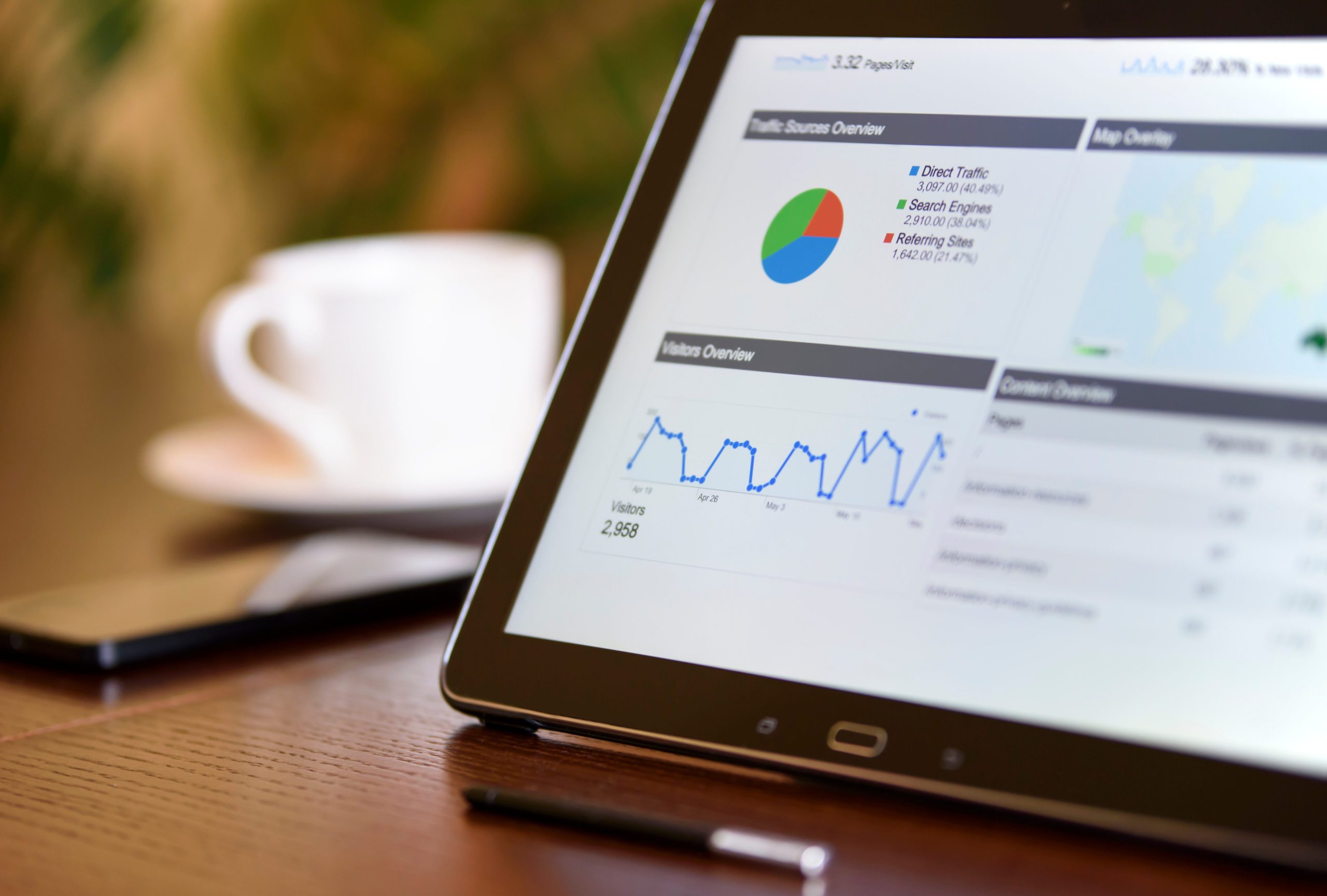
Estimated energy bills can lead to inaccurate costs, poor forecasting and missed opportunities to improve efficiency. Discover how accurate data,...
Read More
How Can Businesses Manage Energy Better and Eliminate Estimated Billing Errors?
Published: 22/07/2026
Many businesses assume their energy bills accurately reflect what they’ve used.
In reality, many organisations are still billed using estimated meter readings, which can lead to inaccurate costs, poor forecasting and missed opportunities to improve efficiency.
Better energy management isn’t simply about reducing consumption. It starts with replacing estimated data with accurate information, giving businesses the visibility they need to make informed decisions.
In This Article
In this article, we’ll cover:
- Why estimated billing happens
- How estimated bills affect your business
- Why accurate energy data matters
- Where businesses commonly waste energy
- How to build an energy baseline
- Practical steps to improve energy management
Why Are Businesses Still Receiving Estimated Energy Bills?
Estimated bills (often shown as EST on your invoice) are created when your supplier doesn’t have an up-to-date meter reading.
Instead of using actual consumption, they estimate your usage based on previous billing periods or historical patterns.
While this keeps the billing process moving, it doesn’t always reflect how much energy your business has actually used.
Key takeaway: Estimated bills are based on assumptions, not actual energy usage, making them less reliable for budgeting and forecasting.
How Can Estimated Billing Affect Your Business?
Estimated billing creates uncertainty.
When bills don’t reflect actual consumption, businesses can experience:
- Inconsistent monthly energy costs
- Unexpected catch-up bills when actual readings are submitted
- Overpayments or underpayments over several billing periods
- Less confidence in budgeting and financial forecasting
Although suppliers eventually reconcile estimated readings with actual consumption, correcting months of inaccurate billing can create unnecessary disruption.
How Can Businesses Improve Energy Data Accuracy?
The first step towards better energy management is collecting accurate data.
Many organisations are replacing manual meter readings with automated solutions such as:
- Smart meters
- Automated meter reading (AMR)
- More frequent usage reporting
- Digital energy monitoring
These technologies reduce reliance on estimated bills and ensure invoices more closely reflect actual consumption.
Once accurate data is available, businesses can make far more informed operational and financial decisions.
Key takeaway: Better decisions start with better data. Accurate meter readings provide a reliable foundation for managing energy effectively.
Why Is Energy Visibility Important Beyond Accurate Billing?
Receiving an accurate bill is only part of the picture.
Many businesses still have little understanding of when, where and how their energy is being consumed.
Greater visibility can reveal issues such as:
- Overnight energy use when buildings are empty
- Unexpected consumption during shift changes
- Heating or cooling systems operating outside working hours
- Equipment drawing power while not in use
These patterns are rarely obvious from a standard invoice but become much easier to identify through regular monitoring.
Understanding energy usage transforms it from a fixed overhead into something that can be actively managed.
Key takeaway: Visibility doesn’t just improve billing accuracy – it helps businesses identify opportunities to reduce unnecessary energy consumption.
Where Do Businesses Commonly Waste Energy?
Significant energy waste is often caused by small inefficiencies that occur every day.
Common examples include:
- Heating and cooling systems running longer than necessary
- Lighting left on in unoccupied areas
- Equipment remaining powered when not in use
- Processes operating outside business hours
Individually, these issues may appear minor, but together they can account for a considerable proportion of overall energy costs.
What Is an Energy Baseline and Why Does It Matter?
Before improvements can be measured, businesses first need to understand what normal energy usage looks like.
An energy baseline provides this benchmark.
It enables organisations to:
- Compare performance over time
- Measure the impact of energy-saving initiatives
- Identify unusual increases in consumption
- Set realistic efficiency targets
Without a baseline, it’s difficult to distinguish genuine improvements from normal fluctuations in business activity.
Key takeaway: An energy baseline allows businesses to measure progress and make informed decisions based on real performance.
Five Practical Steps to Improve Energy Management
Section
1. Eliminate Estimated Bills
Ensure your supplier receives regular, accurate meter readings or consider upgrading to smart metering.
2. Monitor Energy Usage Regularly
Review consumption trends to identify unusual patterns and opportunities for improvement.
3. Build an Energy Baseline
Understand what normal usage looks like before implementing efficiency measures.
4. Investigate Energy Waste
Look for equipment, lighting or HVAC systems operating unnecessarily.
5. Review Your Energy Strategy
Regularly assess your contracts, monitoring systems and procurement approach to ensure they continue meeting your business needs.
How Can Flame Energy Help?
Flame Energy helps businesses move beyond estimated billing by improving the accuracy of energy data, reviewing procurement strategies and identifying opportunities to reduce unnecessary consumption.
Whether you’re looking to implement smart metering, improve monitoring or optimise your energy contracts, our specialists can help you gain greater visibility and control over your energy use.
Final Thoughts
Effective energy management starts with accurate information.
By eliminating estimated billing, improving visibility and understanding how energy is used across your business, you can make better-informed decisions, improve forecasting and reduce avoidable costs.
Rather than simply reacting to energy bills, businesses with accurate data can proactively manage consumption and build a more efficient, resilient operation.
FAQs
Frequently Asked Questions
Frequently asked questions list
EST means your supplier has estimated your energy usage instead of using an actual meter reading. This happens when no recent reading is available, meaning your bill may not accurately reflect your actual consumption.
Businesses can reduce estimated bills by submitting regular meter readings or installing smart metering and automated monitoring systems. Accurate readings help ensure bills reflect actual energy usage rather than estimates.
Accurate energy data helps businesses budget more effectively, forecast costs with greater confidence and identify opportunities to improve efficiency. It also provides a reliable foundation for better energy management decisions.
An energy baseline is a record of your business’s typical energy consumption. It provides a benchmark for measuring improvements, identifying unusual usage and tracking the impact of energy-saving initiatives over time.
Flame Energy helps businesses improve energy management through smart metering, procurement support, energy monitoring and ongoing optimisation. By improving data accuracy and visibility, we help organisations reduce waste, control costs and make more informed decisions.

Powering Success. Power your projects with our water and energy management services.
Reach out today & discover how we can help.
Useful Links
Recent Blog Posts
Flame Energy Insights: July Edition
Your go-to resource for the latest insights, trends, and best practices in sustainable energy management. In this edition, we cover:...
Read More
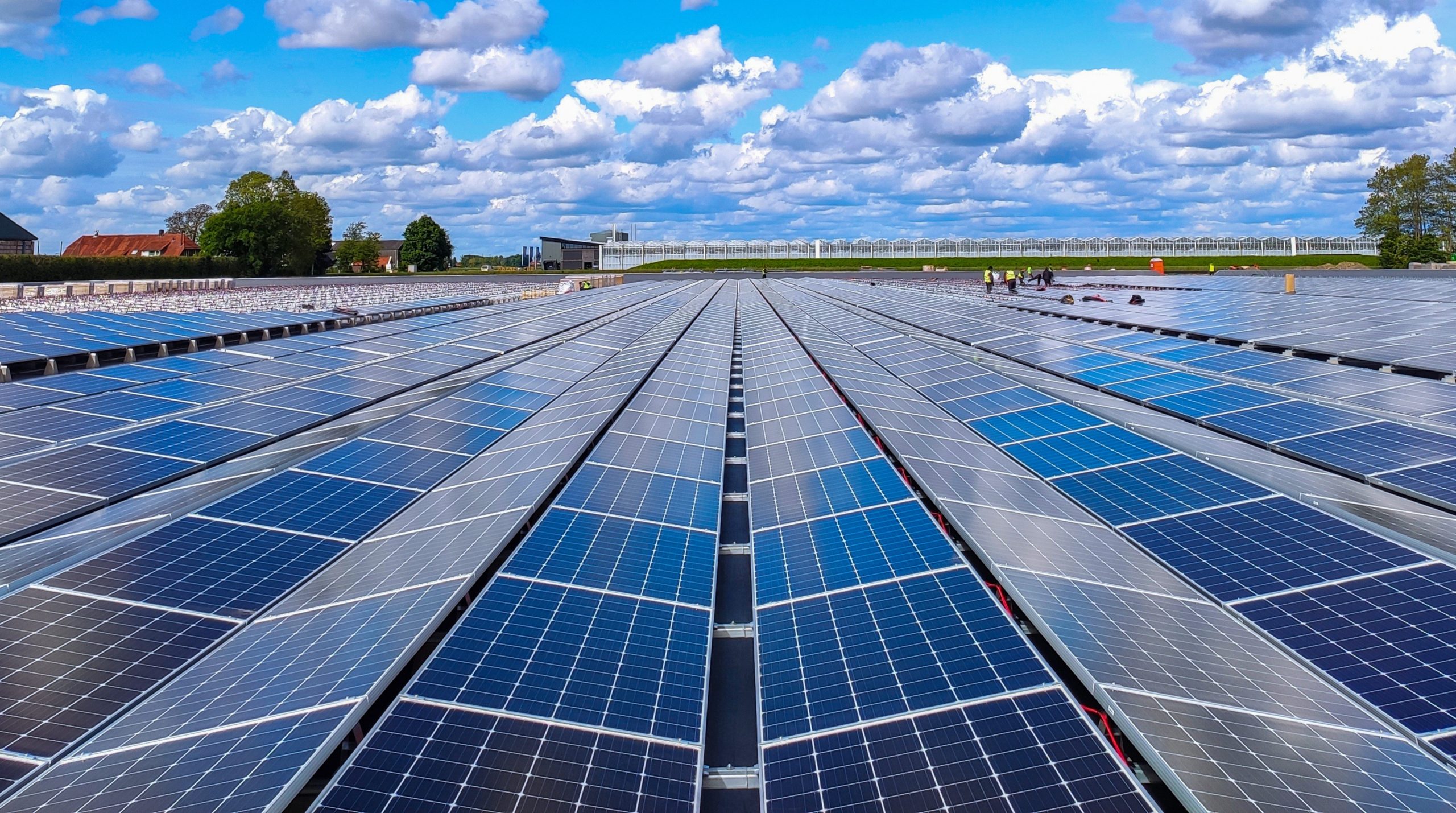
How Commercial Solar Export Payments Work for UK Businesses
For many UK businesses, solar panels are already reducing operational energy costs. But what's often overlooked is the additional revenue...
Read More
Section
Section
GET IN TOUCH
We're always here for you
Please do not hesitate to contact us if you require further information about how we could improve your Energy management.
Newsletter Signup

© Copyright 2026 Flame UK
All rights reserved.
Quick links
Quick link pages
Company Registration Number: 12025193. VAT Number: 357 406 000. Registered address: White House, Wollaton Street, Nottingham, NG1 5GF