
Estimated energy bills can lead to inaccurate costs, poor forecasting and missed opportunities to improve efficiency. Discover how accurate data,...
Read More
NEWS
What support is available for energy intensive industries?
Section
Section
With the rising costs of energy, many businesses are struggling to cover the cost of their energy bills. This is worsened for businesses with high consumption level. But what support is available for energy intensive industries?
Who counts as an energy intensive industry?
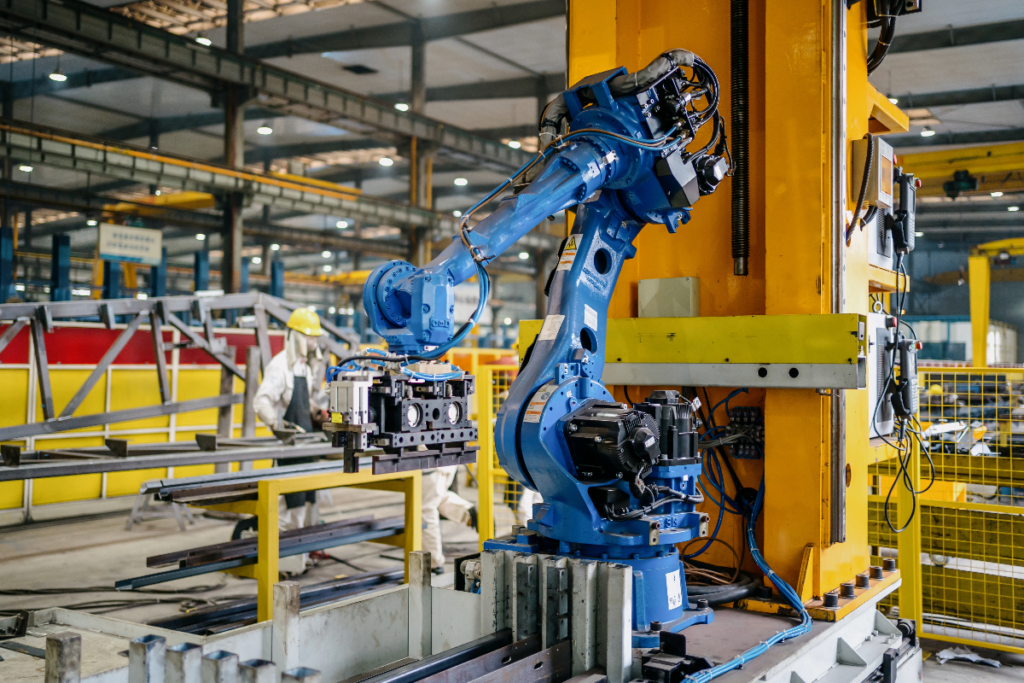
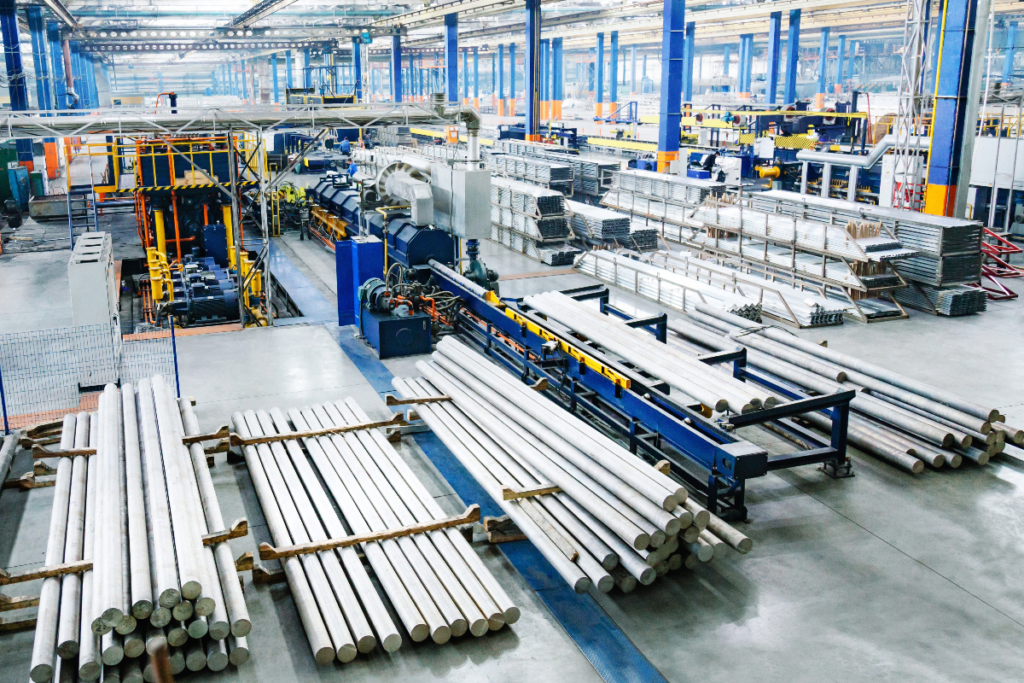
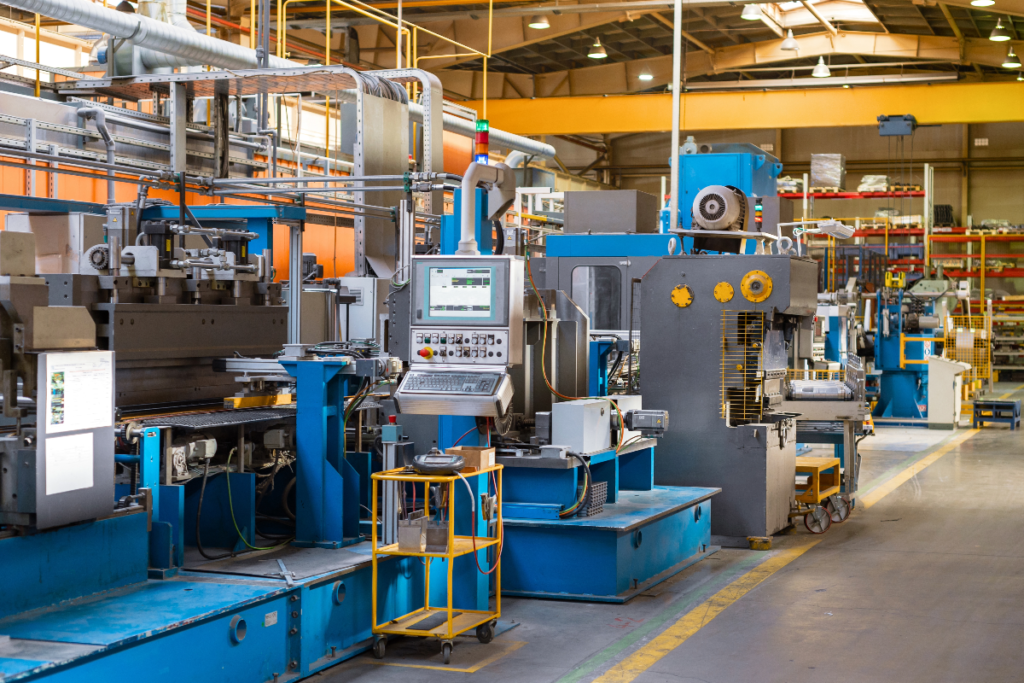
Simply put, energy intensive industries are businesses who naturally have high levels of energy consumption due to the nature of their business activity. This usually includes businesses that work in the manufacturing sector due to the constant need for heavy machinery. Data centres often fall into this category too due to the servers they use needing to be on 24/7.
Section
Energy shouldn’t have to cost the earth – click below for your quick quote!
What support is available for energy intensive industries?
There are plenty of schemes available to help energy intensive industries to manage the rising costs of energy. Here are a few:
Climate Change Agreement
Does your business hold a Climate Change Agreement (CCA)? You can also receive a discount on the Climate Change Levy (CCL) too. This is a voluntary agreement between your business and the Environment Agency to create targets to reduce your energy usage and in turn, your carbon emissions. If you achieve this target, you’ll be able to get a discount on the CCL you’ll see on your bills.
If your business has a sector association, then you’ll need to get in touch with them as they’ll manage the agreements within your sector. Applications for CCAs are currently closed. But, there has been confirmation of an extension of the scheme with new targets in place across 2024.
British Industry Supercharger
In February 2023, the UK Government announced the “British Industry Supercharger (BIS)”. This is a set of measure to help Britain’s energy intensive industries (EIIs) stay competitive across Europe. The support aims to reduce electricity costs for businesses in these industries by £20/MWh by 2025. The UK Government says that these measures will help 300 businesses across the UK to keep their energy costs in line with economies around the world.
The measures introduced included:
- An increase in subsidy under the existing EII Renewable Levy Exemption scheme from 85% to 100% in aid intensity. This is expected to amount to around £5/MWh reduction from current levels. The support is expected to begin in 2024.
- The Capacity Market Charges Exemption, which is a new, full indirect exemption from the costs associated with the UK Capacity Market. Similar to the previous support, it is expected to amount to around £5/MWh. The details are currently under consultation and you can expect this from 2024.
- The EII Network Charging Cost Compensation which is proposed compensation for the charges that businesses pay for using the electricity grid to reach a £10/MWh reduction. This support is expected to be implemented in April 2025 with details of delivery under consultation in 2023.
Want to stay up to date with the latest energy news? Click the button below to follow us on LinkedIn!
Industrial Energy Transformation Fund
The Industrial Energy Transformation Fund (IETF) is funding to help business with high usage to reduce their consumption. They do this through investment in energy efficient measures and low carbon technologies. Previous phases used funding for feasibility studies, industrial energy efficiency projects and deep decarbonisation technology.
Whilst Phases 1 and 2 are closed, IETF Phase 3 will launch in early 2024. This is set to be worth £185 million in funding. A consultation of the design of this third phase is expected in late 2023 to outline exactly how funding will be allotted.
The previous phases were available for businesses in certain sectors: mining and quarrying, manufacturing, recovery and recycling of materials and data centres. Whilst the eligibility for Phase 3 has not yet been confirmed, it is expected to be the same as Phase 1 and Phase 2.
Energy Intensive Industries Compensation Scheme (EII Compensation Scheme)
Carbon pricing and emissions trading schemes drastically increase costs for electricity generators as they have to buy allowances for the emissions they cause. They then pass these costs on to consumers, with energy intensive industries feeling the brunt of this due to their high consumption. The EII Compensation Scheme is in place to reduce the costs these industries pay to keep them competitive globally and reduce the risk of them moving oversees for a lower carbon price.
You’ll need to provide evidence that you manufacture a product with the relevant SIC code. You can find these in the official guidance. You’ll also need to pass the “5% test”. This involves proving that the indirect carbon costs of your business amount to more than 5% of your Gross Value Added.
Contact us
Need help reducing your business’ carbon footprint? Our team of energy experts are on hand to help your business become more sustainable through renewable energy contracts and clean energy generation. Their expertise can help your business to reduce its energy costs too. Contact our team today to learn more about how Flame Energy can support your business.

Powering Success. Power your projects with our water and energy management services.
Reach out today & discover how we can help.
Useful Links
Flame Energy Insights: July Edition
Your go-to resource for the latest insights, trends, and best practices in sustainable energy management. In this edition, we cover:...
Read More
How Commercial Solar Export Payments Work for UK Businesses
For many UK businesses, solar panels are already reducing operational energy costs. But what's often overlooked is the additional revenue...
Read More
Section
Section
GET IN TOUCH
We're always here for you
Please do not hesitate to contact us if you require further information about how we could improve your Energy management.
Newsletter Signup

© Copyright 2026 Flame UK
All rights reserved.
Quick links
Quick link pages
Company Registration Number: 12025193. VAT Number: 357 406 000. Registered address: White House, Wollaton Street, Nottingham, NG1 5GF