
Estimated energy bills can lead to inaccurate costs, poor forecasting and missed opportunities to improve efficiency. Discover how accurate data,...
Read More
Sustainability Focus – The Carbon Footprint of the UK’s Energy Sources
Published: 02/04/2026
As the UK continues its transition toward a net-zero future, the transformation of our electricity system has become one of the most important drivers of national climate progress.
Over the past decade, the way we generate power has changed dramatically. We have moved away from coal and other high-carbon fuels and embraced lower-carbon alternatives such as wind, solar and nuclear. What was once an ambition is now visible in the data. Cleaner electricity is no longer a future goal. It is happening now.
Here’s a closer look at how the carbon footprint of UK electricity has evolved, and what it means for businesses planning for the years ahead.
Carbon intensity. A decade of decline
Carbon intensity measures how much carbon dioxide is emitted for every unit of electricity generated. In simple terms, it tells us how clean the grid really is.
Back in 2014, the UK’s electricity carbon intensity stood at around 419 grams of CO₂ per kilowatt hour (kWh). At that point, coal and gas still played a dominant role in generation.
Fast forward to 2023 and that figure had fallen sharply to 162 gCO₂/kWh.
By 2024, we reached a new low of 124 gCO₂/kWh, representing roughly a 70% reduction in electricity-related emissions over ten years.
This is a significant milestone. Few countries have reduced power sector emissions at this pace while maintaining energy security and reliability. It shows that large-scale decarbonisation is not only possible but practical.
For businesses, this decline has real implications. As the grid gets cleaner, electrification becomes one of the most effective ways to reduce operational emissions.
What’s powering the UK grid today?
The improvement in carbon intensity hasn’t happened by chance. It’s the result of a fundamental shift in the UK’s energy mix.
Today:
- Fossil fuels account for around 29% of electricity generation
- Renewables contribute approximately 45%
- Nuclear provides a steady 13%
Together, these low-carbon sources now make up around 58% of the UK’s electricity supply, the highest share on record.
Wind power has been the standout success story. Offshore and onshore wind regularly provide the largest share of generation, particularly during the winter months. Solar continues to grow, especially across commercial rooftops and large-scale solar farms. Nuclear remains a stable, reliable baseload source, supporting the system when renewable output fluctuates.
At the same time, coal has almost disappeared from the mix. Once the backbone of the UK grid, it now plays a minimal role. This single change has delivered some of the biggest emissions reductions we’ve seen.
Why this matters for businesses
Lower carbon electricity isn’t just a national achievement. It directly affects how organisations manage energy, sustainability and compliance.
Every reduction in grid carbon intensity delivers tangible benefits:
- Lower greenhouse gas emissions
- Improved local air quality
- Reduced exposure to carbon pricing and reporting risks
- Greater confidence in electrification strategies
This is particularly important as reporting requirements tighten. Frameworks like SECR, ESOS and broader ESG expectations mean organisations are under more pressure to show credible decarbonisation plans. Cleaner electricity makes those targets more achievable.
The road ahead
While progress has been strong, the journey is far from complete.
Demand for electricity is expected to rise sharply over the next decade as transport, heating and industry electrify. Meeting this demand while continuing to reduce emissions will require further investment in:
- Renewable generation
- Energy storage
- Grid flexibility
- Smarter demand management
- New nuclear and emerging technologies
For many businesses, this creates both a challenge and an opportunity. Understanding how energy is sourced, tracked and managed is now just as important as how much is consumed.
How Flame Energy can help
At Flame Energy, we work with organisations to make sense of this changing landscape.
From smarter procurement strategies to renewable sourcing, energy audits and long-term decarbonisation planning, our focus is simple. Help you reduce carbon, control costs and stay ahead of regulation.
The grid is getting cleaner. The question is how to make the most of that shift for your operations.

Powering Success. Power your projects with our water and energy management services.
Reach out today & discover how we can help.
Useful Links
Recent Blog Posts
Flame Energy Insights: July Edition
Your go-to resource for the latest insights, trends, and best practices in sustainable energy management. In this edition, we cover:...
Read More
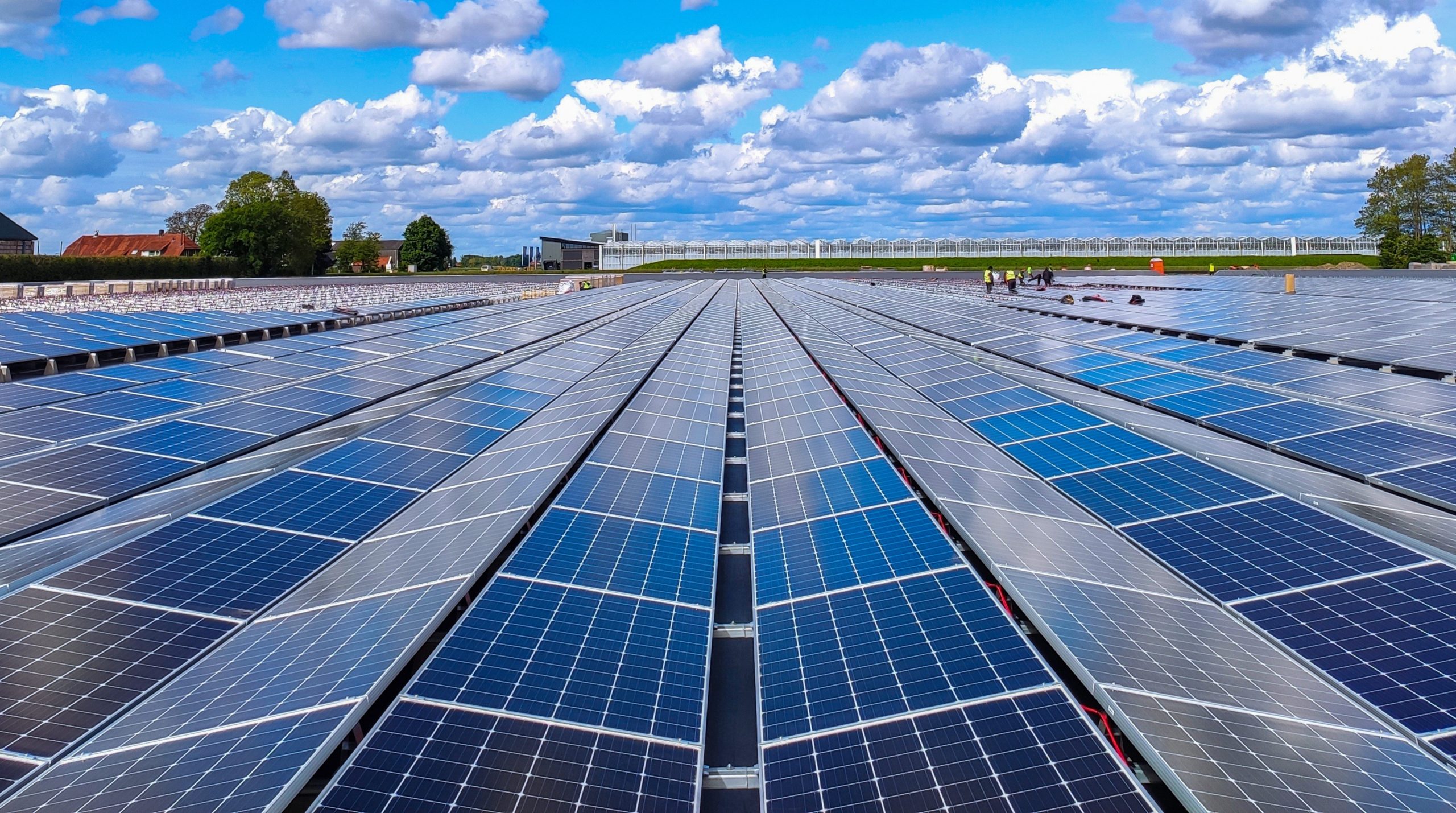
How Commercial Solar Export Payments Work for UK Businesses
For many UK businesses, solar panels are already reducing operational energy costs. But what's often overlooked is the additional revenue...
Read More
Section
Section
GET IN TOUCH
We're always here for you
Please do not hesitate to contact us if you require further information about how we could improve your Energy management.
Newsletter Signup

© Copyright 2026 Flame UK
All rights reserved.
Quick links
Quick link pages
Company Registration Number: 12025193. VAT Number: 357 406 000. Registered address: White House, Wollaton Street, Nottingham, NG1 5GF