
What Is Market-Wide Half-Hourly Settlement?
TCurrently, most energy consumption in the UK is settled on an estimated basis. Suppliers often rely on forecasted demand, and only larger businesses typically have actual half-hourly data.
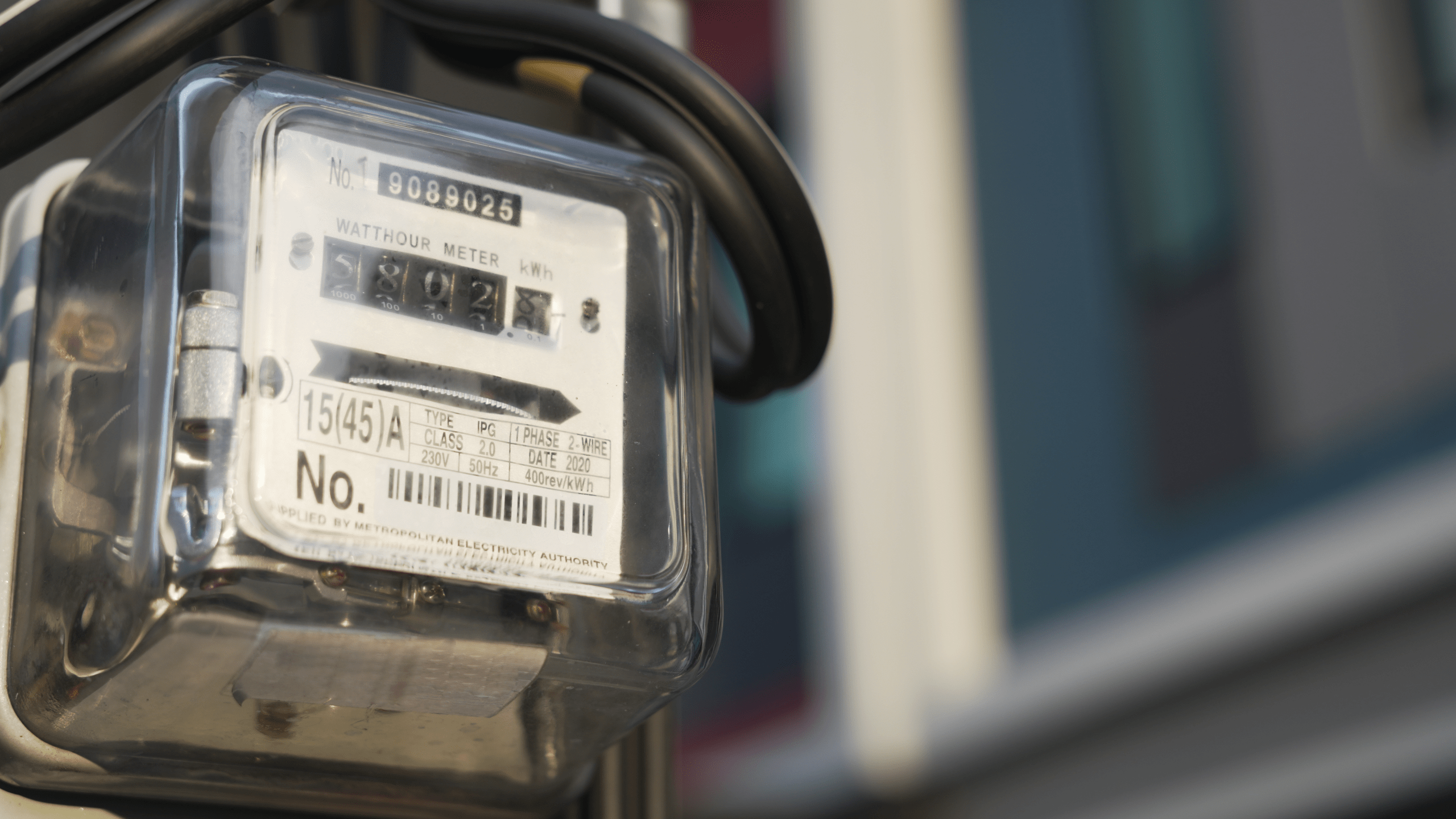
MHHS changes this by ensuring that all electricity usage is settled on a half-hourly basis. With smart meters, suppliers will have far more accurate insight into when energy is being used, replacing broad averages with real-time consumption data.
Why Is MHHS Being Introduced?
The move to MHHS has several key goals:
- Improve accuracy – Reduce reliance on estimated bills and ensure costs reflect actual usage.
- Support flexibility – Enable customers to take advantage of time-of-use tariffs.
- Drive net zero initiatives – Encourage smarter energy consumption aligned with renewable energy availability.
- Encourage innovation – Allow suppliers to offer tailored tariffs and value-added services.
MHHS Timeline: What Businesses Need to Know
Understanding the timeline is essential for businesses to prepare for MHHS:
- September 2025 (M8 & M10): MHHS code changes take effect, with central settlement systems going live.
- Late October 2025 (M11): The 18-month migration window begins. Advanced, smart, and unmetered sites start transitioning.
- October 2026 (M14): Supplier qualification deadline. Suppliers must be MHHS-qualified to register new customers.
- May 2027 (M15): Final migration deadline. All MPANs must be migrated to MHHS.
- July 2027 (M16): New, faster settlement timetable comes into effect, completing the transition.
In short: migration begins in late 2025, final migration completes by May 2027, and full half-hourly settlement is live by July 2027.
What Businesses Need for NHH Meters
Non-Half-Hourly (NHH) meters must also be settled on a half-hourly basis. To make this transition, businesses will need:
- Meter Operator (MOP): Installs and maintains meters.
- Data Collector (DC): Retrieves meter readings.
- Data Aggregator (DA): Validates and processes data for settlement.
If you currently have an NHH (non-smart) meter, it’s important to have these arrangements in place. Flame Energy can help you secure the right MOP, DC, and DA contracts to ensure a smooth transition.
How Will MHHS Affect Businesses?
MHHS introduces both challenges and opportunities:
- More accurate billing – Charges will reflect actual usage, not averages.
- New tariff structures – Flexible, time-of-use tariffs better aligned with your operations.
- Incentives to shift usage – Reduce costs by running processes during off-peak periods, including EV charging.
Why MHHS Is an Opportunity for Flame Energy Customers
At Flame Energy, we view MHHS as a chance to give customers greater control and insight over their energy consumption:
- Explore smarter tariffs and maximise benefits from on-site generation or storage.
- Analyse half-hourly consumption patterns to identify cost-saving opportunities.
- Implement strategies to shift energy usage for maximum efficiency.
- Navigate MOP, DC, and DA requirements seamlessly.
Looking Ahead
MHHS is more than a regulatory update—it’s a step towards a smarter, greener energy future. Businesses that prepare early can manage costs more effectively, access innovative tariffs, and contribute to the UK’s net zero goals.
At Flame Energy, we’re here to guide you through every step—from understanding timelines to implementing flexible energy strategies. MHHS can be more than just compliance; it can be an advantage for your business.