
Estimated energy bills can lead to inaccurate costs, poor forecasting and missed opportunities to improve efficiency. Discover how accurate data,...
Read More
Heat Pumps Explained: A Smarter Way to Heat Buildings
Published: 03/02/2026
The way we heat our buildings is changing. With rising energy costs, tighter carbon targets, and growing pressure to move away from fossil fuels, heat pumps are quickly becoming a core part of the UK’s low-carbon future. Once seen as a niche technology, they are now moving into the mainstream across homes, public buildings, and commercial developments.
For organisations planning upgrades or new projects, heat pumps offer a proven, efficient, and future-ready solution that delivers both environmental and financial benefits. But understanding how they work and how to apply them properly is key to getting the best results.
What is a Heat Pump?
A heat pump is a system that moves heat rather than generating it by burning fuel. Instead of creating heat like a traditional gas or oil boiler, it captures existing heat from the air, ground, or water and upgrades it to a usable temperature for heating and hot water.
Because most of the energy comes from renewable sources, heat pumps use significantly less electricity than the heat they produce. This makes them far more efficient and much lower carbon than conventional systems. In simple terms, for every unit of electricity used, a heat pump can deliver three to four units of heat.
Types of Heat Pumps
Different buildings and sites call for different approaches. The most common options include:
Air source heat pumps – Extract heat from the outside air. Easier to install and well suited to retrofit and smaller commercial projects. Air source heat pumps can struggle in very cold climates, as efficiency drops when outdoor air temperature is extremely low. In the UK, this is rarely critical, but in colder regions, efficiency may fall below the typical COP of 3–4.
Ground source heat pumps – Draw heat from the ground through buried pipes. Highly efficient and stable year-round, ideal for larger sites with available land.
Water source heat pumps – Use nearby rivers, lakes, or aquifers. Often the most efficient option where a suitable water source exists. These systems depend on having sufficient water flow and quality, so not all sites are suitable. Installers should assess site conditions at the first stage to ensure optimal performance.
The right choice depends on site constraints, building demand, available space, and budget.
Why Heat Pumps Matter Now
Heat pumps are playing a central role in the UK’s net zero strategy. Heating accounts for a large share of carbon emissions, particularly in commercial and public sector buildings. Decarbonising heat is one of the biggest steps organisations can take to reduce their footprint.
At the same time, policy and regulation are shifting fast. Government incentives, carbon reporting requirements, and future restrictions on fossil fuel systems are all pushing the market toward electrified heating. Early adoption helps organisations:
- Reduce energy costs through higher efficiency
- Cut carbon emissions and meet sustainability targets
- Future-proof assets against regulatory change
- Improve energy resilience and performance
Put simply, heat pumps are no longer just a green option. They are becoming the practical, long-term choice.
Design Matters
While the technology is proven, success depends on getting the design right. Heat pumps work best with:
- Good insulation and lower heat demand
- Correctly sized systems
- Low temperature emitters such as underfloor heating or upgraded radiators
- Smart controls and optimisation
Poorly designed systems can underperform, increase running costs, and damage confidence in the technology. That’s why a whole-system approach is critical. It is not just about swapping a boiler for a heat pump; it is about understanding the building and designing a solution that fits.
Planning for Installation
For new builds, integrating heat pumps from the outset is often straightforward. For existing buildings, retrofit projects need careful assessment. Space requirements, electrical capacity, plant upgrades, and disruption all need to be considered early.
Key steps typically include:
- Assessing current heat demand and usage patterns
- Reviewing building fabric and efficiency improvements
- Selecting the right technology and sizing
- Planning infrastructure and integration
- Commissioning and performance monitoring
With the right preparation, heat pumps can deliver reliable, long-term performance.
Looking Ahead
Heat pumps are set to become a standard part of the UK heating mix over the next decade. As electricity grids decarbonise, their carbon benefits will only increase. Combined with other technologies such as heat networks, solar PV, and energy storage, they form the backbone of modern, low-carbon energy systems. Organisations that act now will be better placed to control costs, meet compliance requirements, and demonstrate real progress on sustainability.
How Flame Energy Can Help
Switching to heat pumps can feel complex, but it does not have to be. Flame Energy works alongside organisations to turn low-carbon ambition into practical delivery.
We support you at every stage, from early feasibility and design through to installation, optimisation, and ongoing performance. Our team can help you:
- Assess whether heat pumps are right for your site, including the suitability of air, ground, or water source systems
- Design systems that are efficient, reliable, and fit for purpose
- Navigate funding, incentives, and compliance requirements
- Manage installation with minimal disruption
- Monitor and improve performance over time
The result is simple. Lower carbon. Lower costs. Systems that work as they should.
If you are exploring heat pumps or planning your next energy upgrade, Flame Energy is ready to help you move forward with confidence.

Powering Success. Power your projects with our water and energy management services.
Reach out today & discover how we can help.
Useful Links
Recent Blog Posts

Flame Energy Insights: July Edition
Your go-to resource for the latest insights, trends, and best practices in sustainable energy management. In this edition, we cover:...
Read More
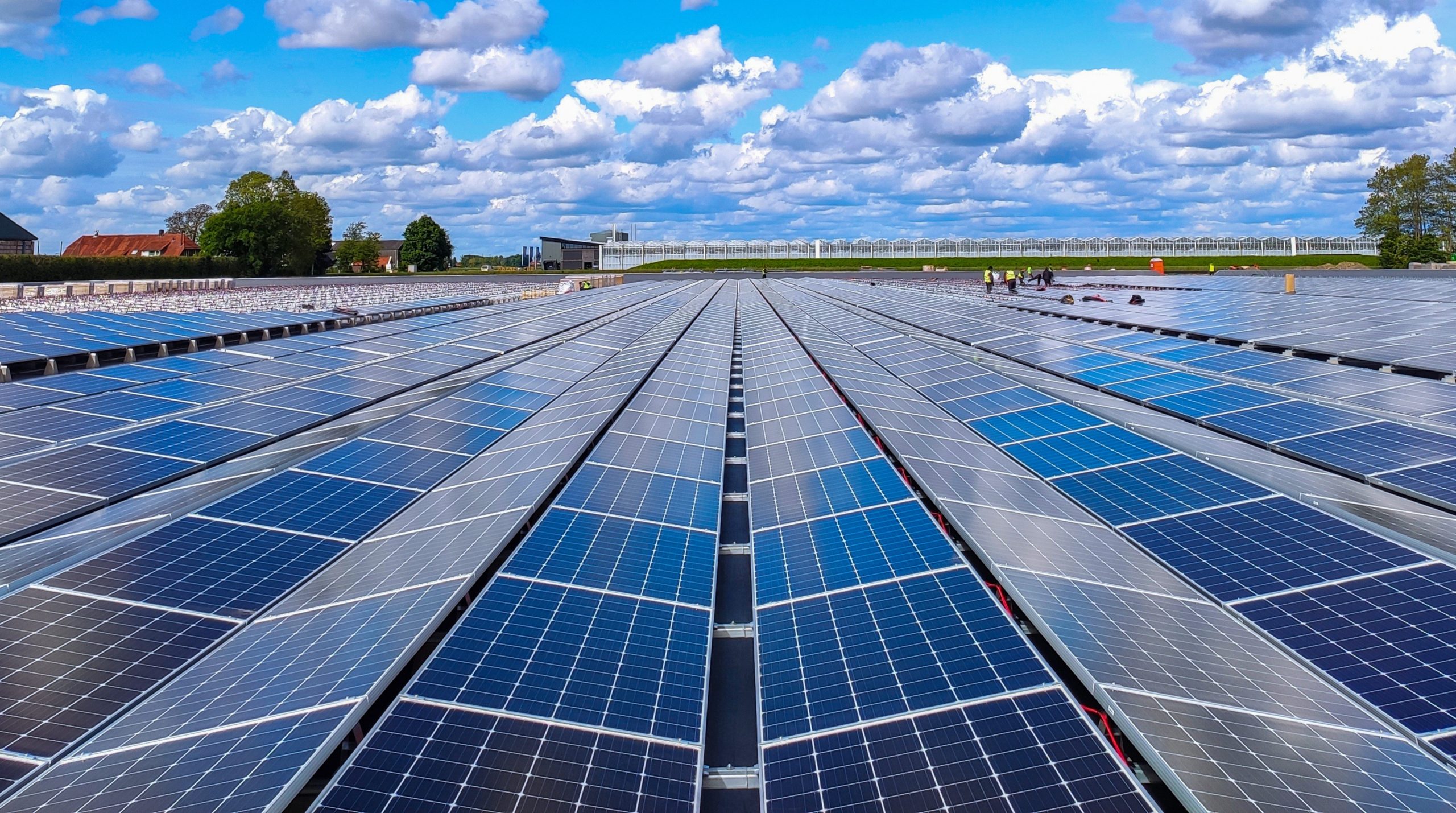
How Commercial Solar Export Payments Work for UK Businesses
For many UK businesses, solar panels are already reducing operational energy costs. But what's often overlooked is the additional revenue...
Read More
Section
Section
GET IN TOUCH
We're always here for you
Please do not hesitate to contact us if you require further information about how we could improve your Energy management.
Newsletter Signup

© Copyright 2026 Flame UK
All rights reserved.
Quick links
Quick link pages
Company Registration Number: 12025193. VAT Number: 357 406 000. Registered address: White House, Wollaton Street, Nottingham, NG1 5GF