Estimated energy bills can lead to inaccurate costs, poor forecasting and missed opportunities to improve efficiency. Discover how accurate data,...
Read More
Understanding Deemed Tariff Rates
Published: 19/09/2024

If you’ve recently moved into new business premises and haven’t signed an energy contract, you may be on a deemed tariff rate. Deemed rates can be a costly surprise, as they’re typically higher than fixed-rate contracts. This blog will help you understand what deemed tariff rates are, why they are more expensive, and how to switch to a better deal to save your business money.
What Are Deemed Tariff Rates?
Deemed rates apply when you start using gas or electricity without negotiating a deal with a supplier. These are rolling 28-day contracts, automatically implemented until you secure a formal agreement. While they provide flexibility, deemed rates tend to be higher than fixed contracts, making them one of the most expensive energy options.
Why Are Deemed Tariffs More Expensive?
Energy suppliers charge more for deemed tariffs because they have limited information about your business’s energy usage. Without a clear understanding of how much energy your business consumes or when it’s used, suppliers classify you as a higher-risk customer. This lack of data and perceived risk translates into higher energy rates.
How Ofgem Protects You
The energy regulator Ofgem has implemented measures to ensure businesses aren’t unfairly charged on deemed tariffs. These measures require that rates should not “significantly exceed the costs of supplying gas or electricity.” However, deemed rates are still generally higher than fixed-rate deals, which means switching is usually in your best interest. Suppliers are also required to inform you of alternative deals and ensure the terms of your deemed contract are clear.
Alternatives to Deemed Tariffs
If you’re looking to switch from a deemed tariff, here are some common energy contract options:
- Fixed Rate Tariffs: These provide stability as the price per kWh remains consistent, making budgeting easier. While your bill will still fluctuate based on usage, fixed rates offer predictability.
- Variable Rate Tariffs: Prices on these contracts change based on the wholesale energy market. When market prices are low, you’ll save money, but when they rise, so do your bills.
- Out-of-Contract Rates: If you let a fixed contract expire, you’ll be moved to an out-of-contract rate. These rates are often similar or the same as deemed rates and we would not recommend staying out of contract for any length of time.
- Rollover Contracts: Like deemed contracts, these renew automatically, but they last for a full year, often at higher rates than fixed or variable tariffs. It’s best to avoid these contracts if possible.
How to Switch from a Deemed Rate Contract
Switching from a deemed rate contract is easy and can save your business significant money. By speaking to an energy expert, you can compare deals across multiple suppliers and find the best rate for your business. All you need is basic information about your energy usage and your last energy bill.
At Flame Energy, our team of energy experts is ready to help you find the best deal. Get in touch for a free energy comparison and ensure your business isn’t overpaying for its energy needs.
Key Takeaways:
- Deemed rates are higher than fixed-rate deals, making it important to switch.
- Ofgem regulations ensure deemed rates aren’t overly expensive, but they are still costlier than negotiated contracts.
- Switching to a fixed or variable rate can offer long-term savings for your business.
Get in Touch
For more advice and to switch to a better deal, contact Flame Energy today.

Powering Success. Power your projects with our water and energy management services.
Reach out today & discover how we can help.
Useful Links
Recent Blog Posts

Flame Energy Insights: July Edition
Your go-to resource for the latest insights, trends, and best practices in sustainable energy management. In this edition, we cover:...
Read More
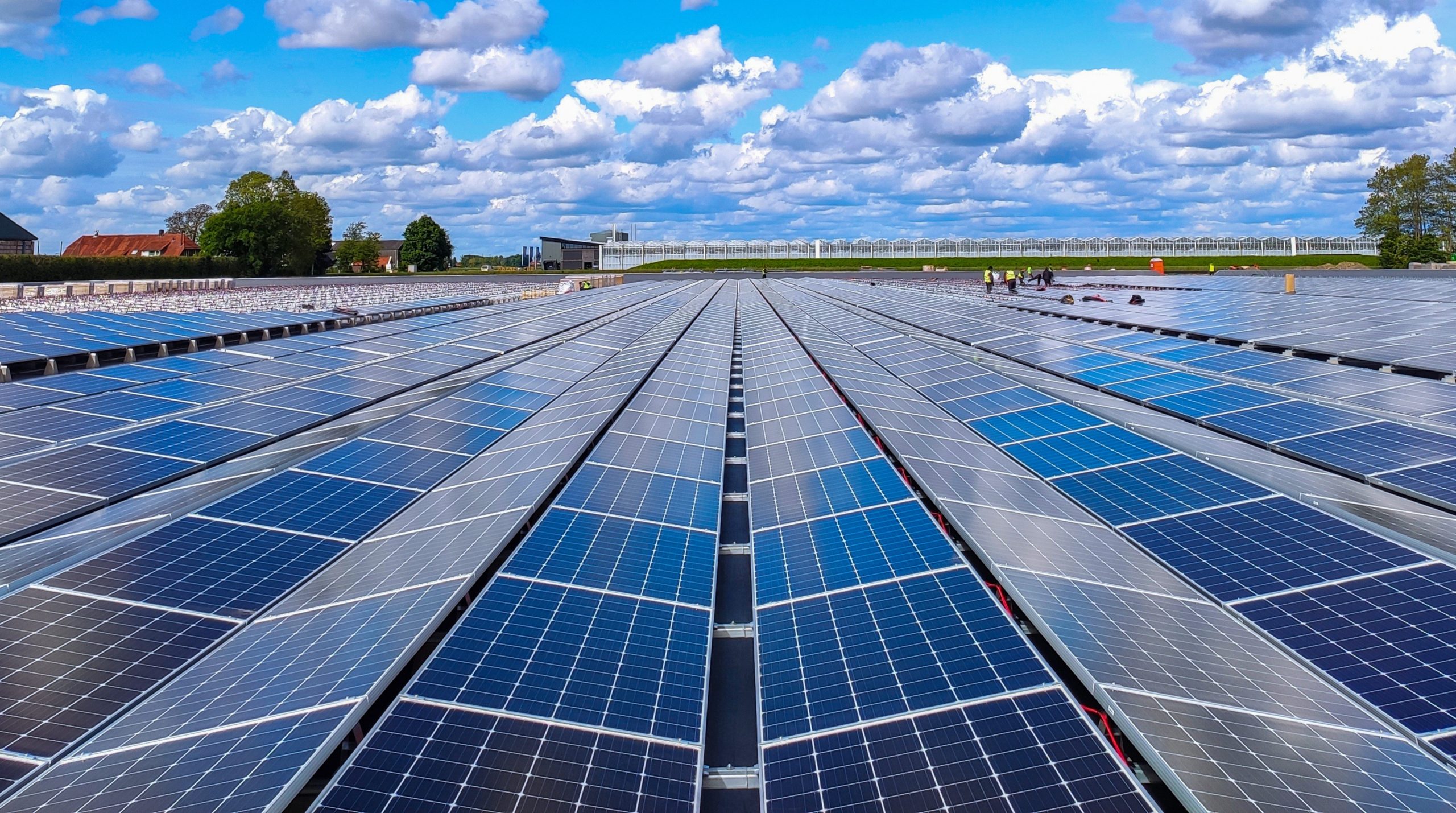
How Commercial Solar Export Payments Work for UK Businesses
For many UK businesses, solar panels are already reducing operational energy costs. But what's often overlooked is the additional revenue...
Read More
Section
Section
GET IN TOUCH
We're always here for you
Please do not hesitate to contact us if you require further information about how we could improve your Energy management.
Newsletter Signup

© Copyright 2026 Flame UK
All rights reserved.
Quick links
Quick link pages
Company Registration Number: 12025193. VAT Number: 357 406 000. Registered address: White House, Wollaton Street, Nottingham, NG1 5GF