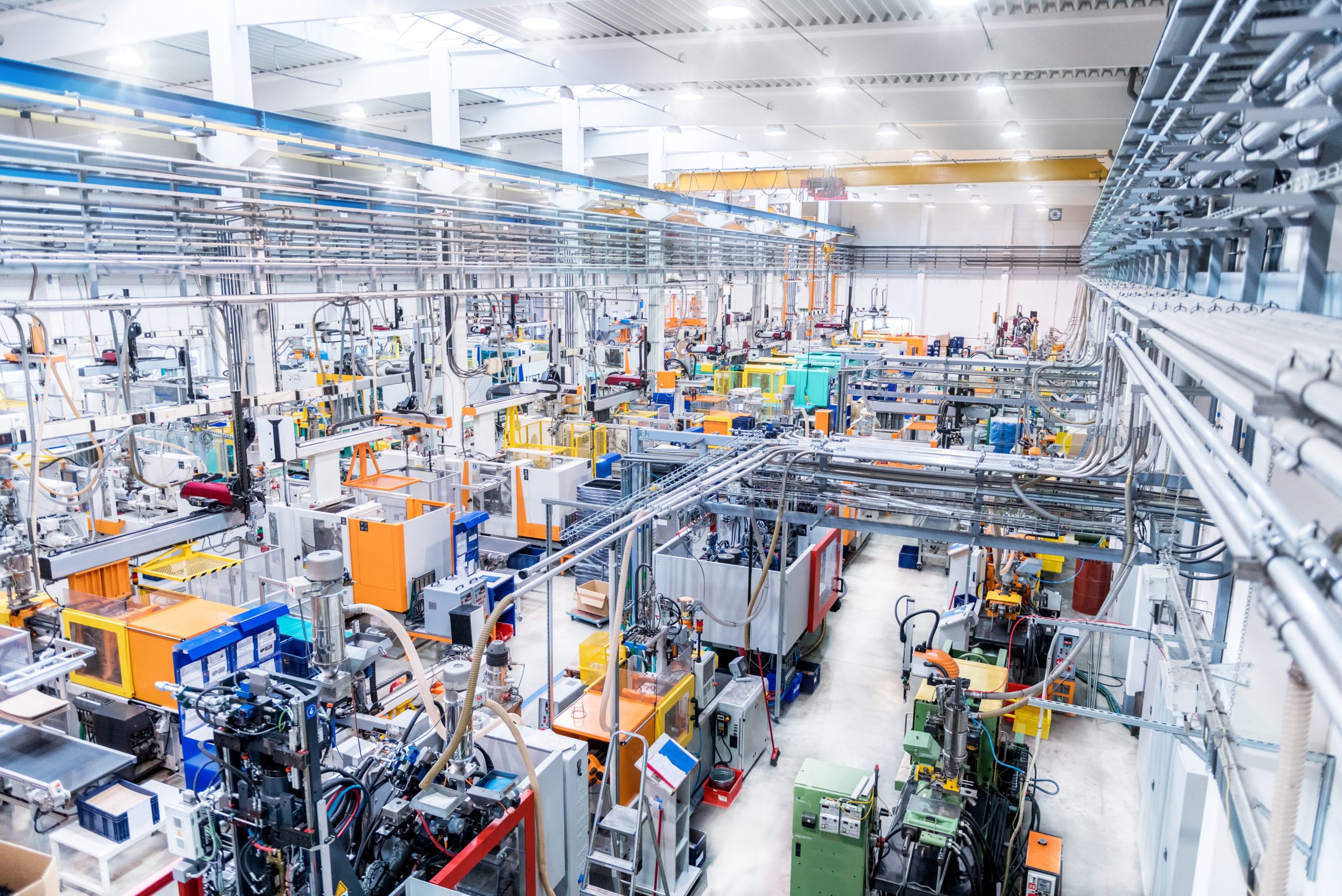
The British Industrial Competitiveness Scheme (BICS) could help eligible UK manufacturers significantly reduce electricity costs. Find out who could qualify,...
Read More
British Industrial Competitiveness Scheme (BICS): What UK Manufacturers Need to Know
Published: 09/09/2026
The British Industrial Competitiveness Scheme (BICS) could significantly reduce electricity costs for eligible UK manufacturers, with potential savings expected to be worth around 6.5p to 8.7p per kWh of eligible electricity consumption.
For UK manufacturers, energy costs can have a direct impact on production costs, margins and the ability to compete internationally. For energy-intensive businesses in particular, reducing electricity costs can make a significant difference.
The British Industrial Competitiveness Scheme (BICS) is designed to provide further support by reducing certain policy-related electricity costs for eligible industrial businesses.
For manufacturers that qualify, the potential savings could be substantial. However, eligibility is not automatic. Businesses will need to demonstrate that qualifying manufacturing activity takes place at the site and provide evidence to support their application.
With applications due by the end of November, manufacturers that may qualify should start reviewing their eligibility and gathering the required information now.
In This Article
In this article, we’ll cover:
- What is the British Industrial Competitiveness Scheme?
- How much could manufacturers save through BICS?
- Which businesses could be eligible?
- How does BICS work alongside EII support?
- What evidence is required for a BICS application?
- How should electricity consumption be allocated?
- Why manufacturers should prepare ahead of the November deadline
- How Flame Energy can support your BICS application
What is the British Industrial Competitiveness Scheme (BICS)?
The British Industrial Competitiveness Scheme, commonly referred to as BICS, is a government support mechanism intended to reduce electricity costs for eligible industrial businesses.
A business electricity bill includes more than the cost of the electricity itself. It can also contain charges associated with supporting energy and environmental policies. For energy-intensive industries, these additional costs can place UK manufacturers at a competitive disadvantage compared with businesses operating in countries with lower industrial electricity prices.
BICS aims to reduce this burden by removing or significantly reducing certain policy-related charges from qualifying electricity consumption.
This includes costs associated with schemes such as the Renewables Obligation (RO) and Feed-in Tariffs (FiT).
For manufacturers consuming large amounts of electricity, reducing these costs could have a significant impact on overall energy expenditure.
How much could manufacturers save through BICS?
The potential value of BICS is expected to be approximately 6.5p to 8.7p per kWh of eligible electricity consumption, depending on the applicable charges and individual circumstances.
At industrial consumption levels, this can quickly translate into substantial savings.
For example, manufacturers operating energy-intensive machinery, production lines, processing equipment or other high-consumption operations may use millions of kilowatt-hours of electricity each year. Even a reduction of a few pence per kWh can therefore have a considerable impact on annual electricity expenditure.
The actual benefit will depend on factors including the amount of electricity considered eligible, the site’s existing support arrangements and the charges that apply.
This is why BICS should be assessed at site level rather than assuming that all electricity used by a business will automatically qualify.
Which businesses could be eligible for BICS?
Eligibility is closely linked to the activity taking place at a site and the business’s Standard Industrial Classification (SIC) code.
SIC codes are used to classify the main economic activities undertaken by UK businesses. Certain manufacturing and industrial activities may fall within the scope of BICS, making checking your SIC code an important first step.
However, having an eligible SIC code does not necessarily mean that an application will automatically be successful.
Businesses will also need to demonstrate that the relevant manufacturing activity is genuinely taking place at the site included within the application.
This is why the application process requires operational evidence alongside information about electricity consumption.
What if you already receive EII support?
Businesses already benefiting from the Energy Intensive Industries (EII) scheme and British Industry Supercharger may still have an opportunity to benefit from BICS.
BICS can potentially provide support for eligible electricity consumption that is not already covered through an existing EII arrangement.
This could be particularly relevant for businesses with complex sites, multiple manufacturing processes or different categories of electricity consumption.
Existing support arrangements should therefore be reviewed alongside site consumption to establish what is already covered, what could potentially qualify through BICS and how electricity should be allocated between different activities.
What evidence is required for a BICS application?
The BICS application process focuses heavily on demonstrating what actually happens at the relevant site.
Manufacturers should therefore expect to provide operational records alongside detailed electricity consumption information.
1. Six months of production records
Businesses need to provide six consecutive months of monthly aggregated production data demonstrating that eligible manufacturing activity has taken place.
Suitable evidence could include:
- ERP or SAP production records
- Factory production logs
- Manufacturing output records
- Quality control records
- Production batch information
Importantly, sales invoices and purchase receipts are not accepted as production evidence.
The purpose of these records is to demonstrate actual manufacturing activity, rather than simply showing that raw materials have been purchased or finished products have been sold.
Manufacturers should identify where this information is held internally and check that records are available for the full required period.
2. A production process summary
Applicants also need to explain what is manufactured at the site and how the production process works.
The summary should provide enough information to clearly demonstrate the relationship between the site’s activities and the relevant manufacturing classification.
This could include the main materials or inputs used, the key stages of production, the processes carried out on site and the finished outputs.
Keeping this explanation clear and specific can help strengthen the supporting evidence provided with the application.
3. Electricity consumption and allocation
Electricity allocation can become more complicated where a facility carries out both eligible manufacturing and other activities.
For example, the same site might include:
- Manufacturing and production areas
- Warehousing
- Distribution operations
- Corporate offices
- Administration areas
- Other non-manufacturing activities
Where only part of a site’s activity qualifies, businesses may need to demonstrate how electricity consumption is divided between eligible and non-eligible operations.
Monthly sub-metering data can be particularly valuable where different areas, production lines or processes are monitored separately.
Data from an energy management platform may also help provide evidence of where electricity is being consumed.
Having accurate site-level energy data can make it much easier to establish a clear and supportable allocation.
Why good energy data matters
BICS also highlights the wider importance of understanding how electricity is used across a manufacturing facility.
A site-wide electricity bill tells you how much energy has been consumed, but it does not necessarily show which processes or departments are responsible for that consumption.
Sub-metering and effective energy monitoring can provide greater visibility.
This information can support a BICS application while also helping manufacturers identify unusual consumption, compare different production areas, monitor energy-intensive equipment and find opportunities to improve efficiency.
Reviewing BICS eligibility can therefore be a useful opportunity to assess the quality of your existing energy data and identify where greater visibility may be beneficial.
Why manufacturers should prepare ahead of the November deadline
The deadline for BICS submissions is the end of November, but preparing an application can involve several different areas of a business.
Production records may need to come from operations teams. Electricity consumption could sit with facilities or energy managers. SIC information may require input from finance or company administration, while sub-metering data could be held within a separate energy management system.
Once this information has been gathered, businesses may also need to identify gaps, verify records and determine how electricity consumption should be allocated.
Leaving the process until late November could make it much more difficult to resolve any missing information before the application window closes.
Starting now gives manufacturers more time to understand their eligibility, gather suitable evidence and prepare a robust submission.
BICS application checklist for manufacturers
If you think your business could qualify, start by checking whether you have:
- Your current SIC code
- Details of the manufacturing activities undertaken at the site
- Six consecutive months of suitable production records
- A clear description of your manufacturing process
- Site-level electricity consumption data
- Sub-metering information, where available
- Details of non-manufacturing activities at the same site
- Information about existing EII or British Industry Supercharger support
- A method for allocating electricity between eligible and non-eligible activities, where required
Identifying any gaps now gives you more time to address them before the November deadline.
How Flame Energy can help with BICS
Determining whether your business qualifies is only the beginning. Building the evidence required to support an application can be more challenging, particularly for manufacturers with complex sites or existing EII arrangements.
Flame Energy can support your business throughout the BICS application process.
Our team can help you:
- Review your SIC code and initial eligibility
- Assess existing EII support
- Review site electricity consumption
- Identify and verify the required energy data
- Determine how electricity should be allocated
- Review production evidence
- Prepare the information required for your application
- Manage the submission process on your behalf
We can also look beyond the immediate application to identify wider opportunities to improve how your business buys, monitors and manages its energy.
Don’t wait until November to check your BICS eligibility
For eligible manufacturers, the British Industrial Competitiveness Scheme could provide a valuable opportunity to reduce one of the industry’s most significant operating costs.
With potential savings expected to be around 6.5p to 8.7p per kWh of eligible electricity consumption, it is worth establishing whether your business could qualify.
However, a successful application relies on more than simply having the right SIC code. Production evidence, electricity consumption and site-level activities all need to support the application.
With the deadline approaching at the end of November, now is the time to start preparing.
Think your business could qualify for BICS? Contact the Flame Energy team today. We can review your eligibility, assess your energy and production data and support you throughout the application process.
FAQs
Frequently Asked Questions
Frequently asked questions list
The British Industrial Competitiveness Scheme (BICS) is a government support mechanism designed to reduce certain electricity policy costs for eligible industrial businesses, helping UK manufacturers remain internationally competitive.
Potential savings are expected to be approximately 6.5p to 8.7p per kWh of eligible electricity consumption. The actual benefit will depend on your business, eligible consumption and the applicable charges.
Eligibility is linked to factors including your SIC code and the manufacturing activities undertaken at the relevant site. Businesses also need to provide evidence demonstrating eligible production activity.
Potentially. BICS may provide support for qualifying electricity consumption that is not already covered by your existing EII or British Industry Supercharger arrangements. Your current support and consumption should be reviewed before applying.
Businesses need to provide six consecutive months of monthly aggregated production records. This could include ERP or SAP records, production logs, manufacturing output information, quality control records or production batch data. Sales invoices and purchase receipts are not accepted as production evidence.

Powering Success. Power your projects with our water and energy management services.
Reach out today & discover how we can help.
Useful Links
Recent Blog Posts

How Can Businesses Manage Energy Better and Eliminate Estimated Billing Errors?
Estimated energy bills can lead to inaccurate costs, poor forecasting and missed opportunities to improve efficiency. Discover how accurate data,...
Read More

Flame Energy Insights: July Edition
Your go-to resource for the latest insights, trends, and best practices in sustainable energy management. In this edition, we cover:...
Read More
Section
Section
GET IN TOUCH
We're always here for you
Please do not hesitate to contact us if you require further information about how we could improve your Energy management.
Newsletter Signup

© Copyright 2026 Flame UK
All rights reserved.
Quick links
Quick link pages
Company Registration Number: 12025193. VAT Number: 357 406 000. Registered address: White House, Wollaton Street, Nottingham, NG1 5GF